What Is Buffered Creatine?
Buffered creatine was introduced for better stability and tolerance, but direct research has not shown superiority over monohydrate.
Read article →Buffered creatine was introduced for better stability and tolerance, but direct research has not shown superiority over monohydrate.
Read article →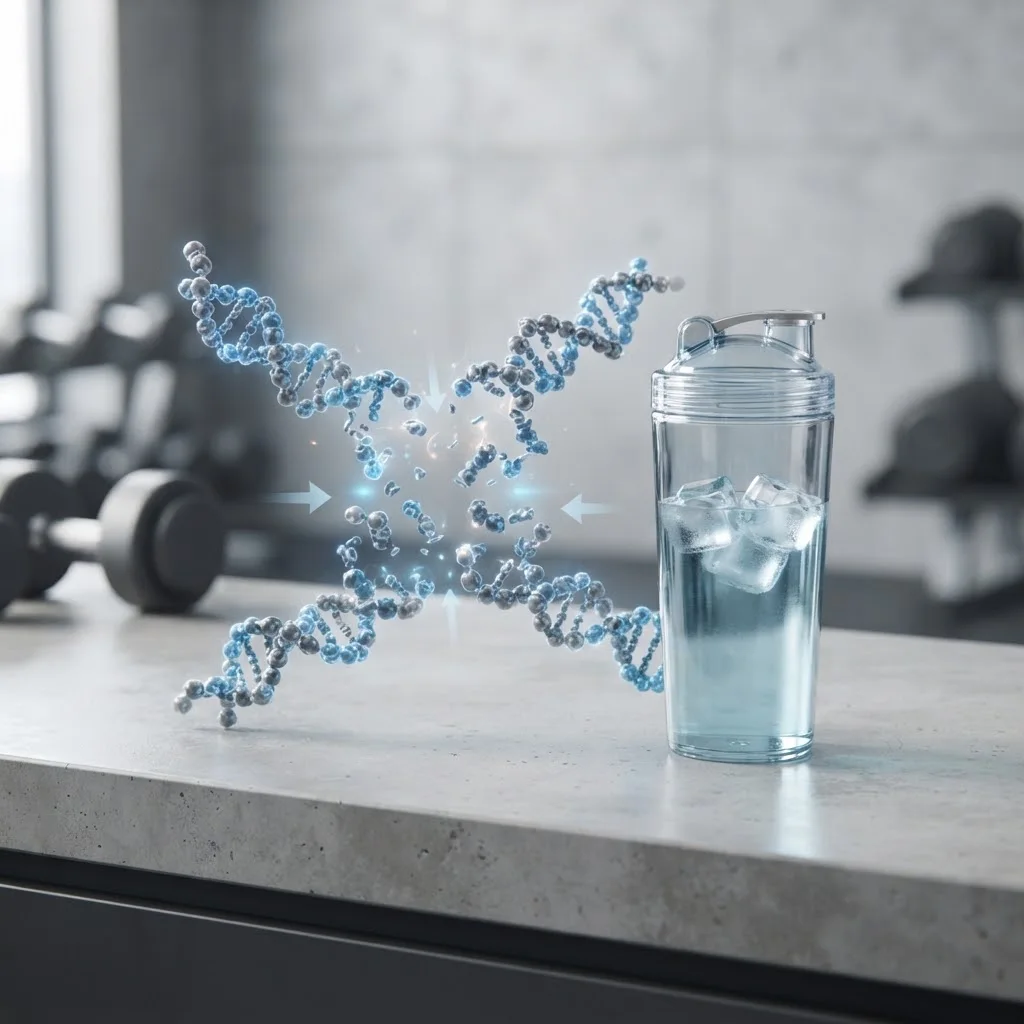
Guides worth your time
Practical guidance for training, nutrition, supplements and healthy living.
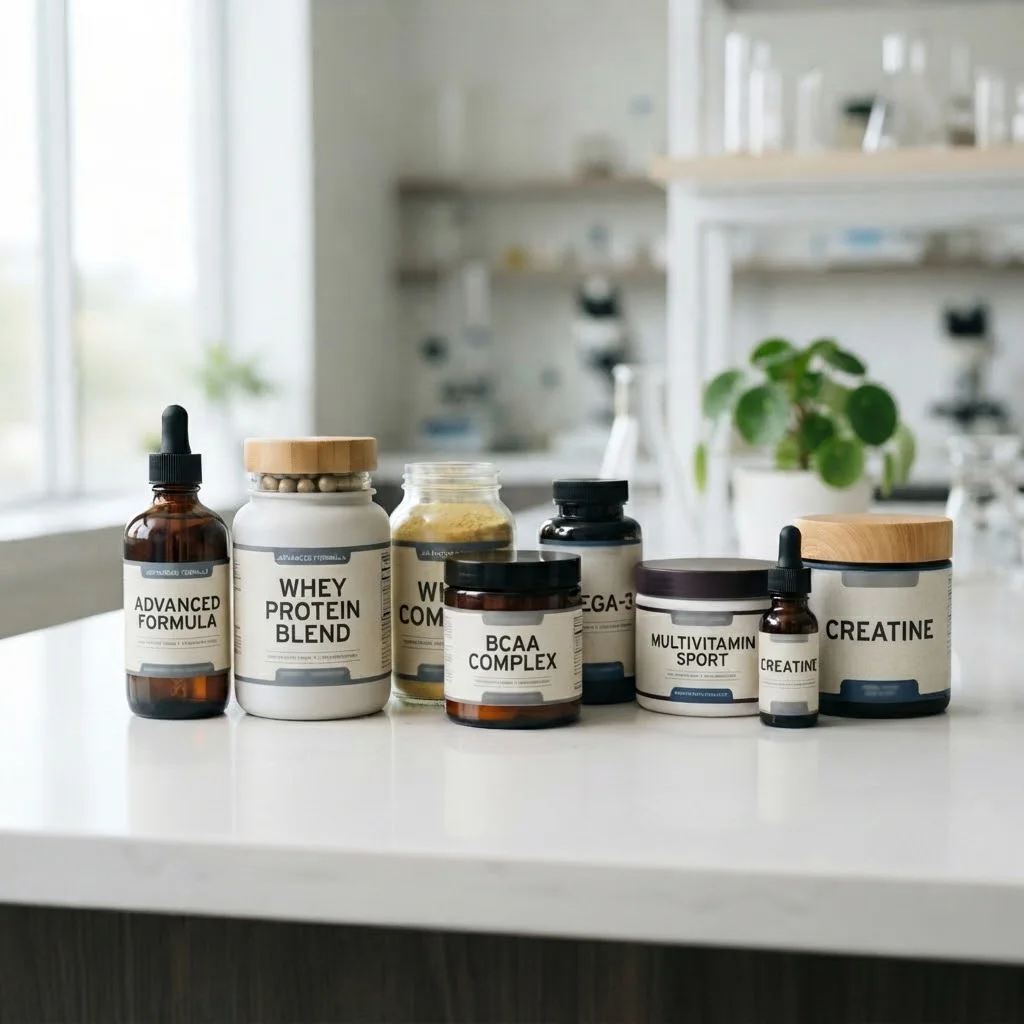
For most people, monohydrate is best because it combines strong evidence, clear dosing, safety, and value.
Read article →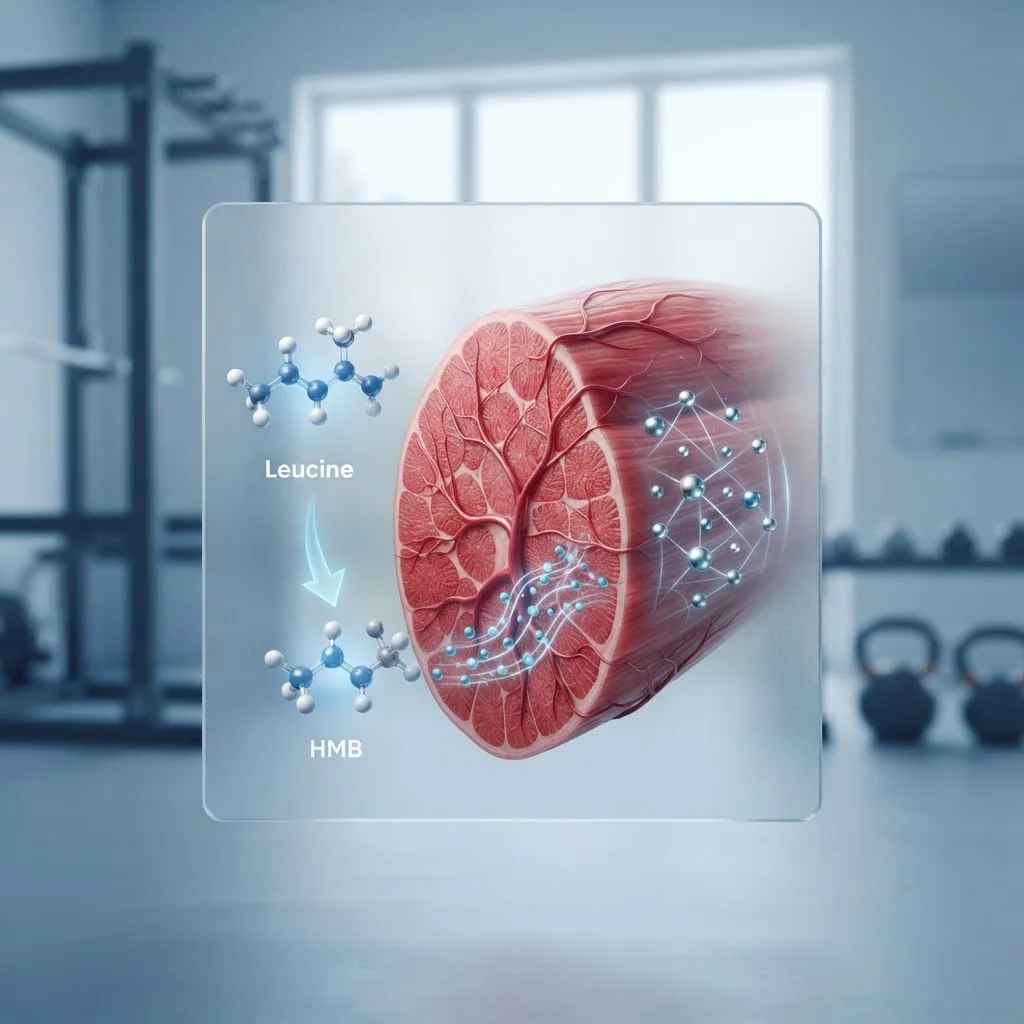
HMB is a leucine metabolite that may reduce muscle-protein breakdown; potential benefits are more relevant to beginners, older adults or inactivity.
Read article →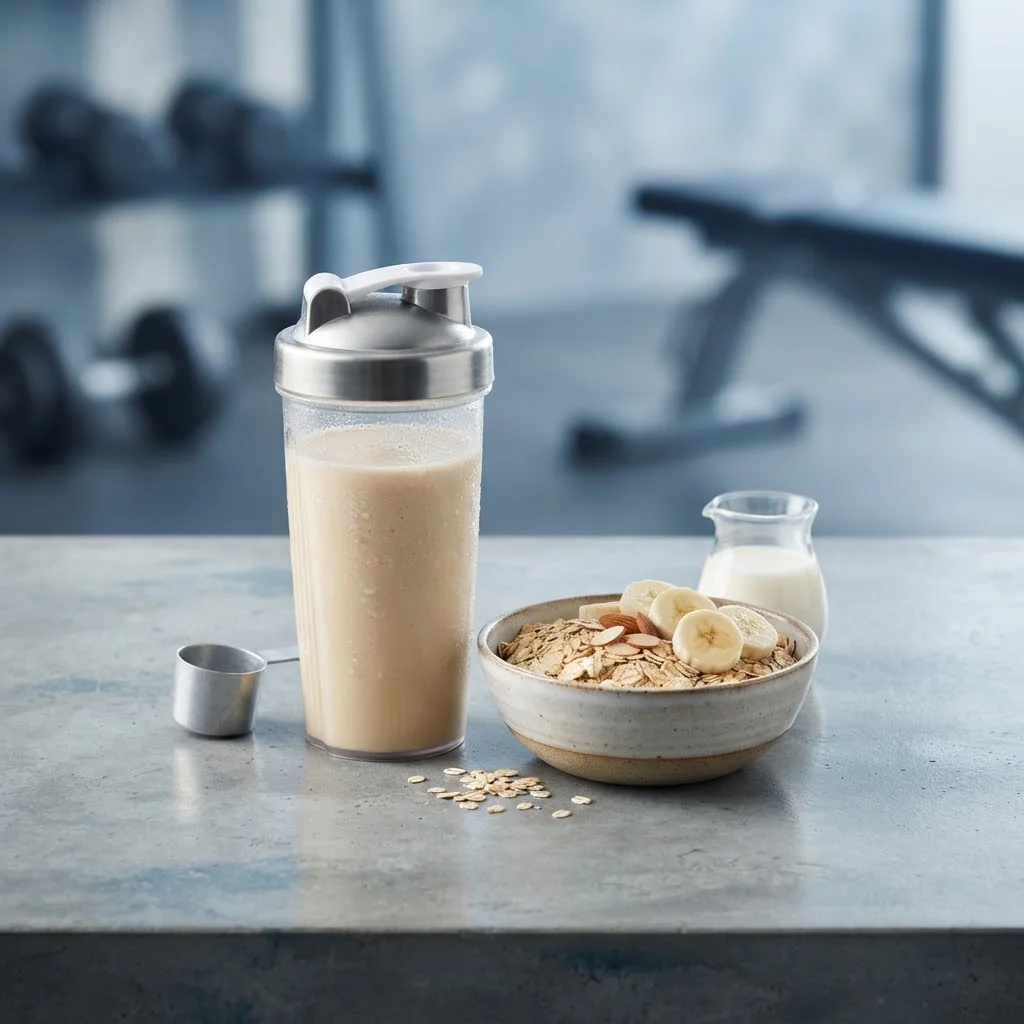
For bulking, the best whey is reliable, affordable and helps meet protein and energy targets without digestive trouble.
Read article →
No. Sleep, suitable nutrition, hydration and training design are the foundation. Pre-workout may add a modest benefit in some situations.
Read article →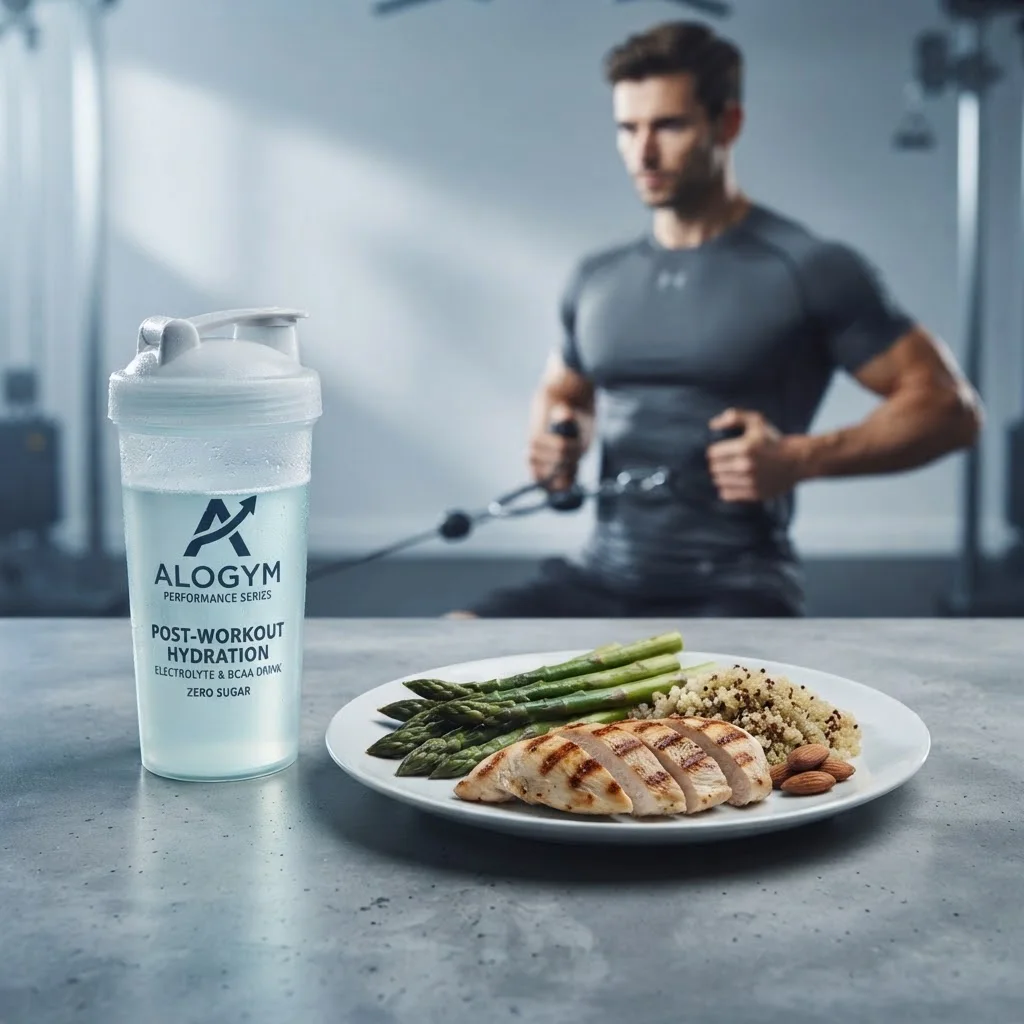
The best whey for cutting fills a dietary protein gap with minimal extra calories and good tolerance.
Read article →
In healthy athletes consuming enough protein, evidence does not show meaningful additional muscle or strength gains from glutamine alone.
Read article →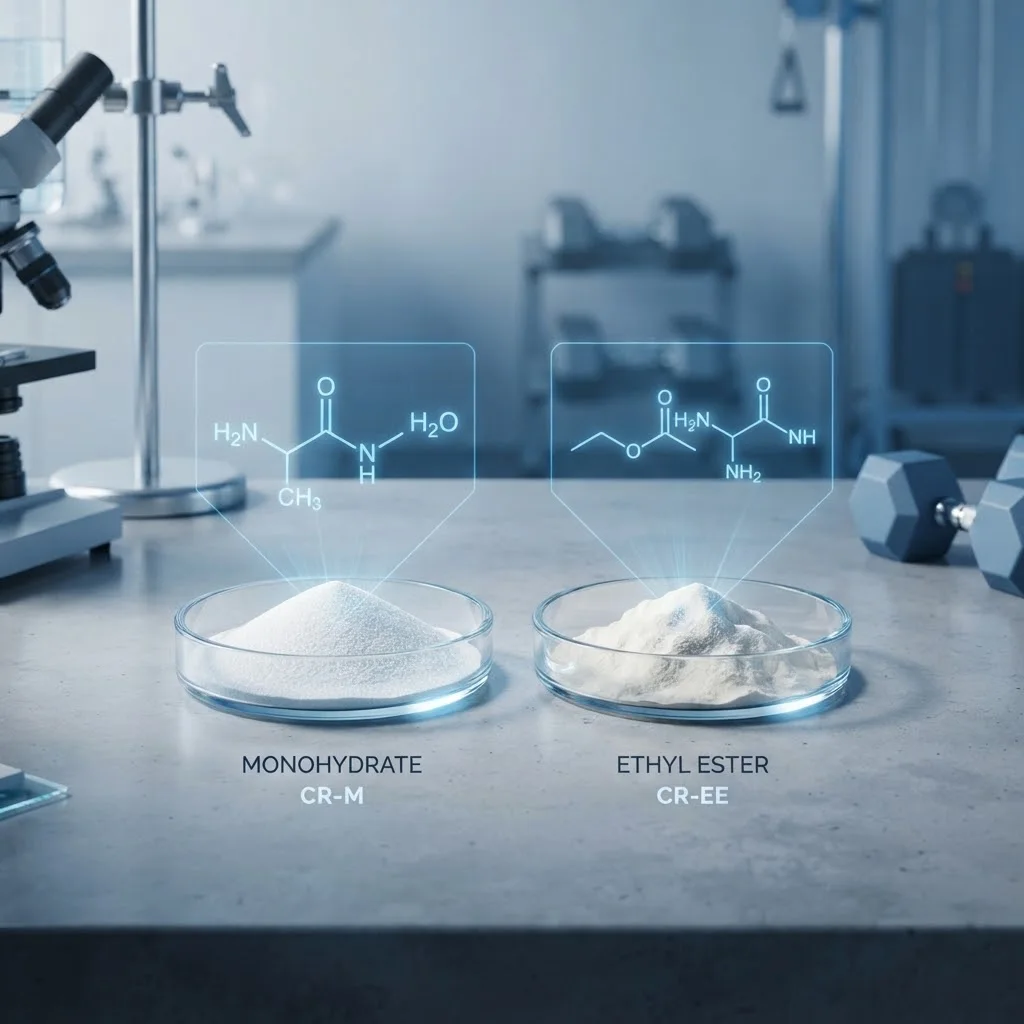
Creatine ethyl ester was marketed for better absorption, but direct comparison did not confirm an advantage over monohydrate.
Read article →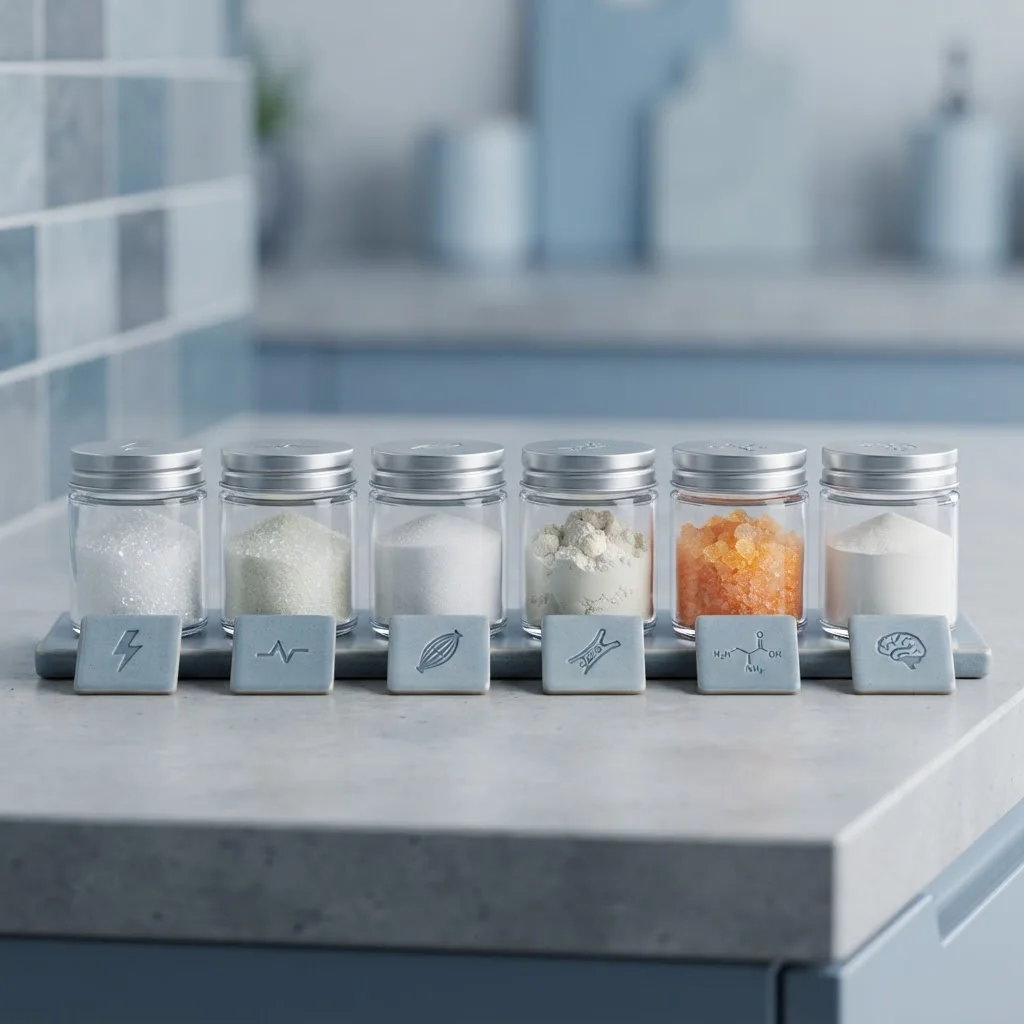
Common ingredients include caffeine, beta-alanine, citrulline, creatine and flavoring agents; each has a different role and time course.
Read article →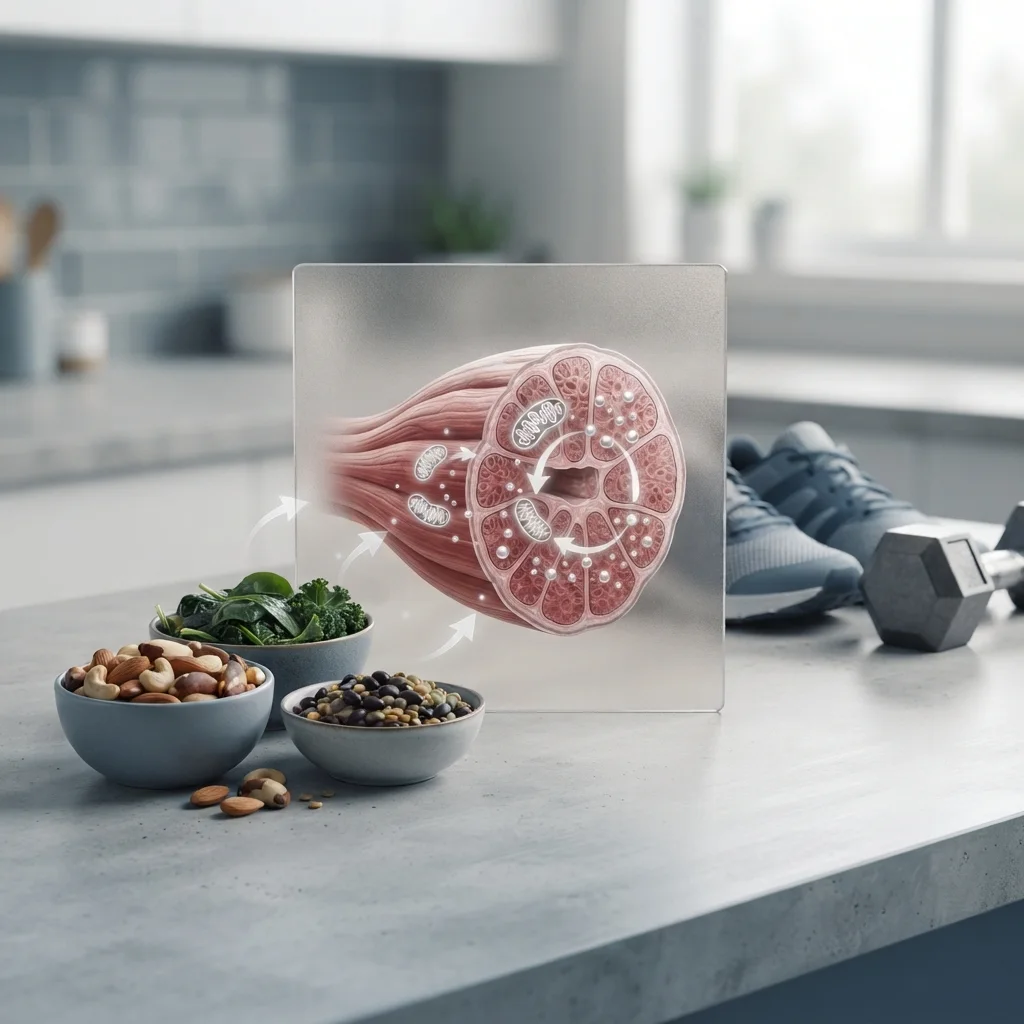
Zinc is essential for immunity, repair and protein synthesis, but extra zinc does not reliably raise muscle or testosterone without deficiency.
Read article →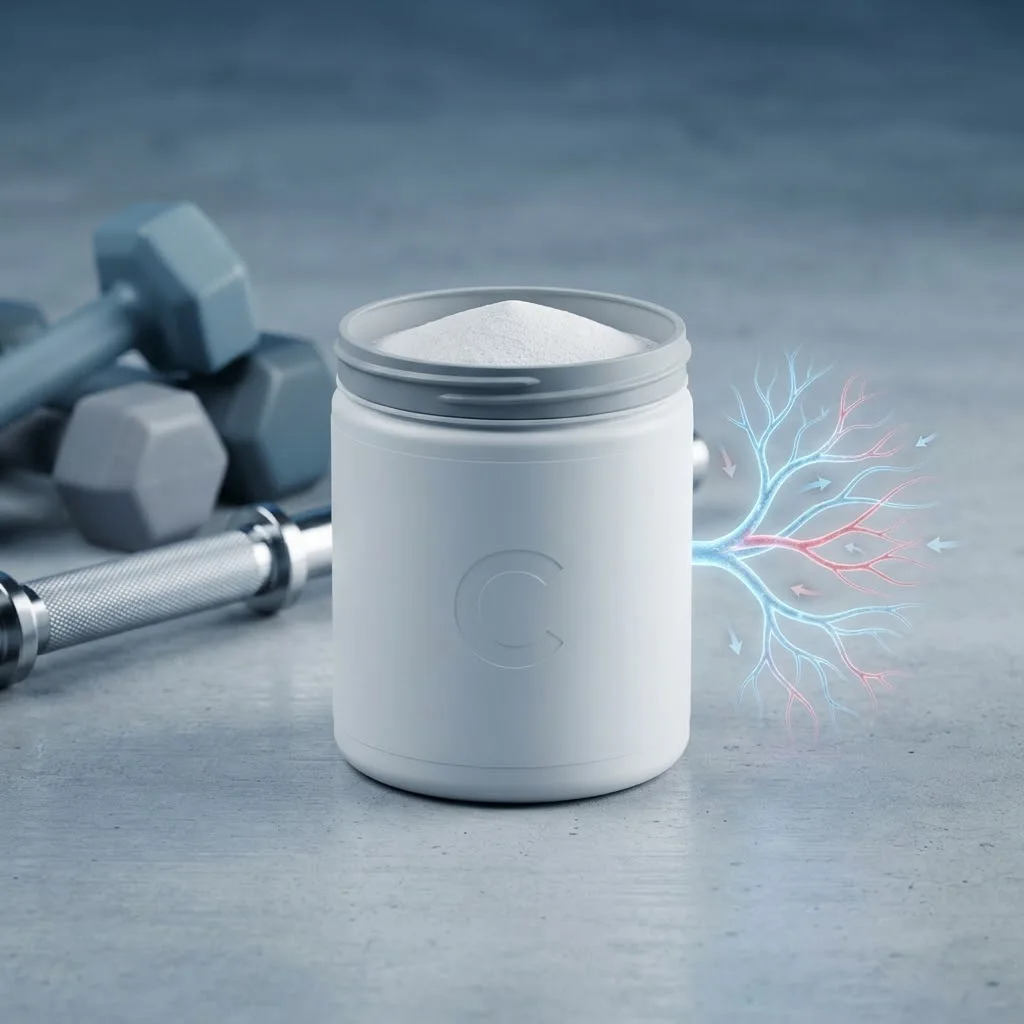
Creatine nitrate combines creatine and nitrate. Its solubility and nitrate component are interesting, but superiority over monohydrate remains weakly supported.
Read article →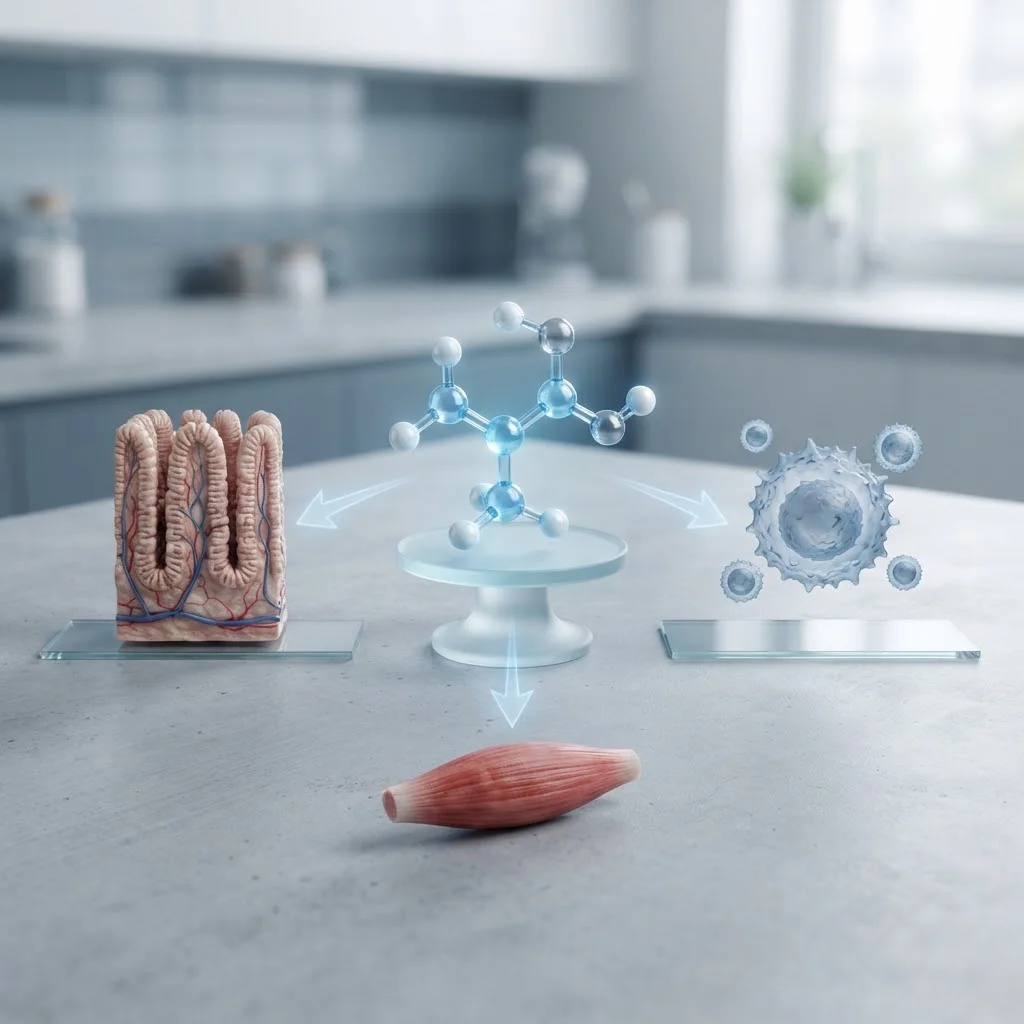
Glutamine is the body’s most abundant free amino acid and participates in nitrogen transport, cellular fuel and immune function.
Read article →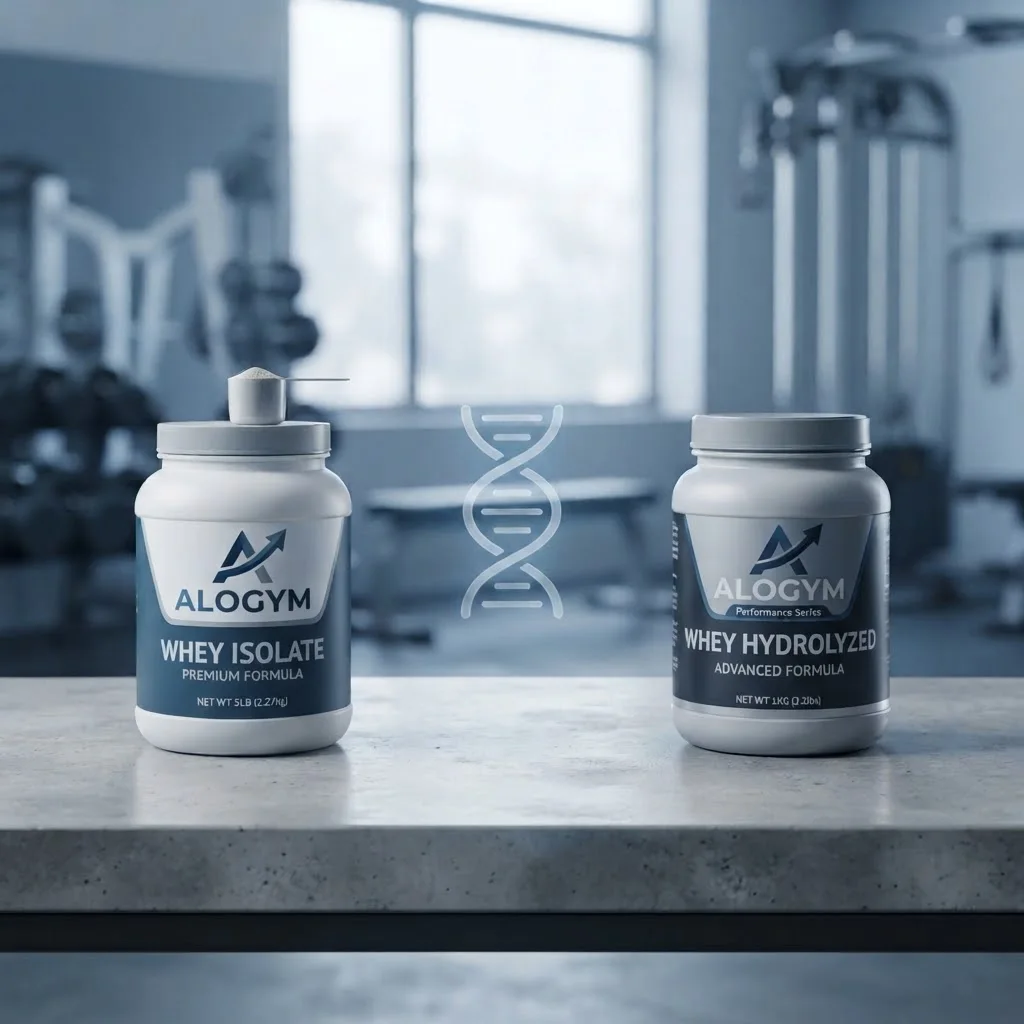
Isolate is the more practical choice for most; hydrolyzed whey justifies its higher cost only in specific situations.
Read article →