What Is Buffered Creatine?
Buffered creatine was introduced for better stability and tolerance, but direct research has not shown superiority over monohydrate.
Read article →Buffered creatine was introduced for better stability and tolerance, but direct research has not shown superiority over monohydrate.
Read article →

Guides worth your time
Practical guidance for training, nutrition, supplements and healthy living.

Pre-workout is a category of multi-ingredient products used before exercise for energy, focus or performance; formulas are not standardized.
Read article →
Creatine citrate is a more soluble form, but its actual creatine yield and performance evidence should be compared with monohydrate.
Read article →
Most fat burners do not produce large, lasting effects; any benefit is limited compared with a calorie deficit and daily habits.
Read article →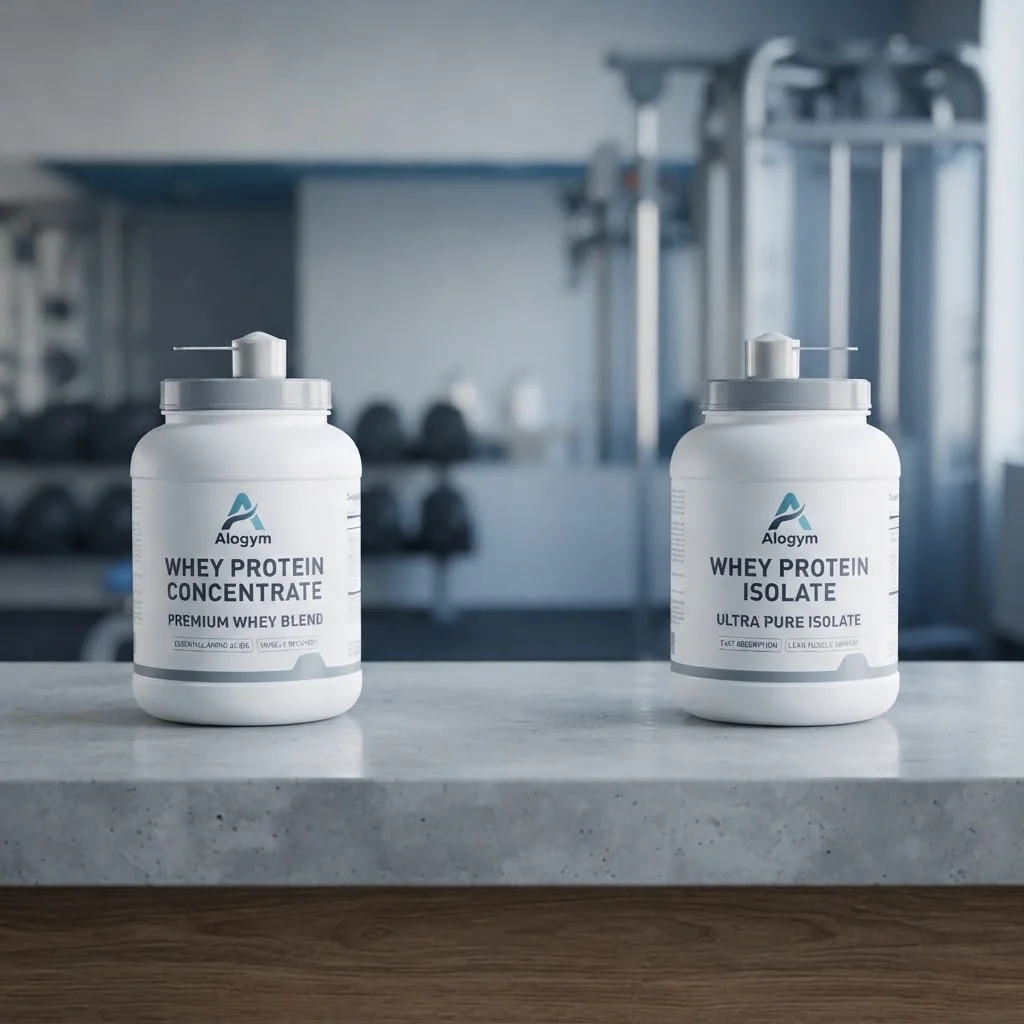
Concentrate is cost-effective and effective for most people; isolate is practically useful when lower lactose, calories or fat matter.
Read article →
L-arginine is an amino acid and nitric-oxide precursor, but oral supplementation has inconsistent exercise-performance results.
Read article →
Vitamin D supports bone, muscle and immune health, but supplementation is best guided by risk factors and blood testing.
Read article →
Fat burner is a marketing category for products claiming to raise energy expenditure, suppress appetite or increase energy; formulas are not standardized.
Read article →
Micronized creatine is usually monohydrate with smaller particles. It may mix better, but superior performance has not been established.
Read article →
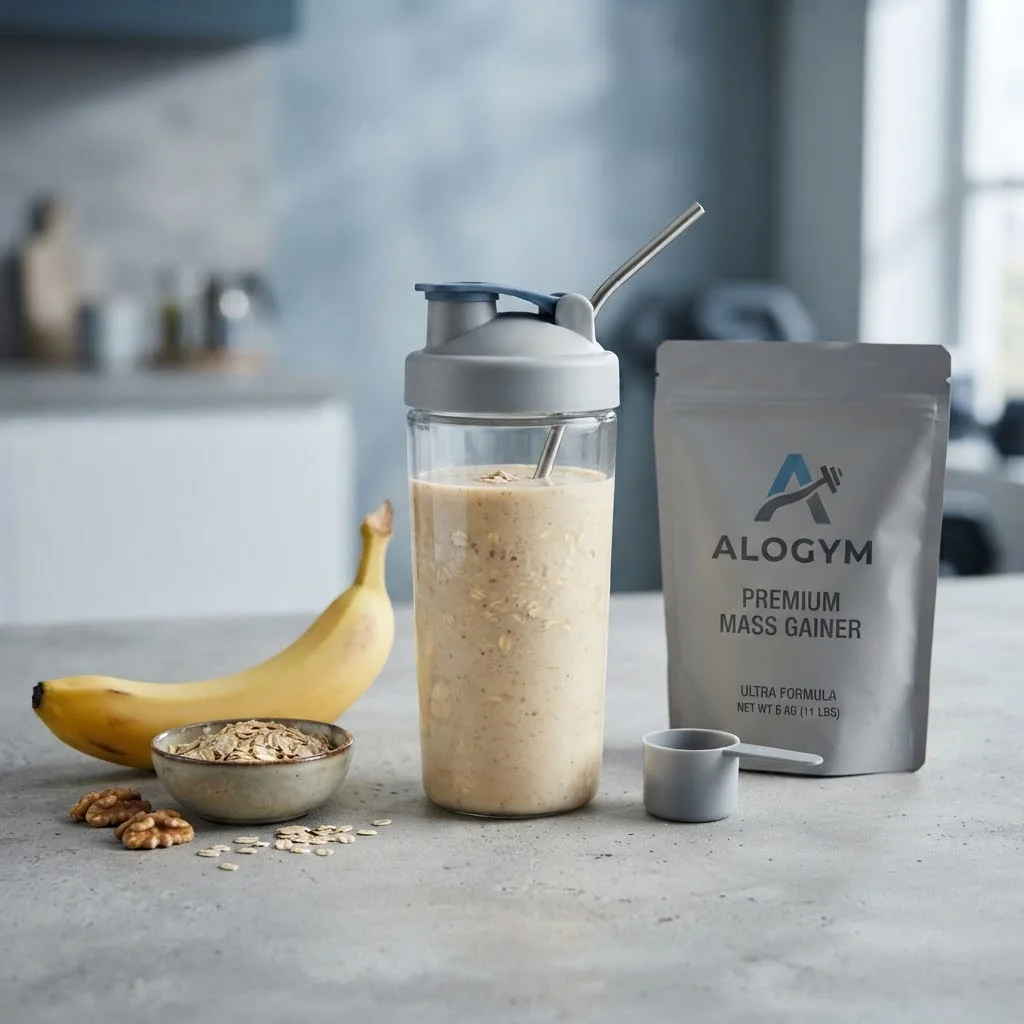
Gainer is not inherently fattening, but its high calorie load can create an excessive surplus and increase fat gain.
Read article →
Citrulline malate combines L-citrulline with malate and is used for nitric-oxide support and possible muscular-endurance benefits.
Read article →
A multivitamin is not essential for every athlete; it is most relevant with a restricted diet, confirmed deficiency or specific need.
Read article →
Whey isolate is a more filtered whey with more protein and less lactose and fat, but not everyone needs it.
Read article →