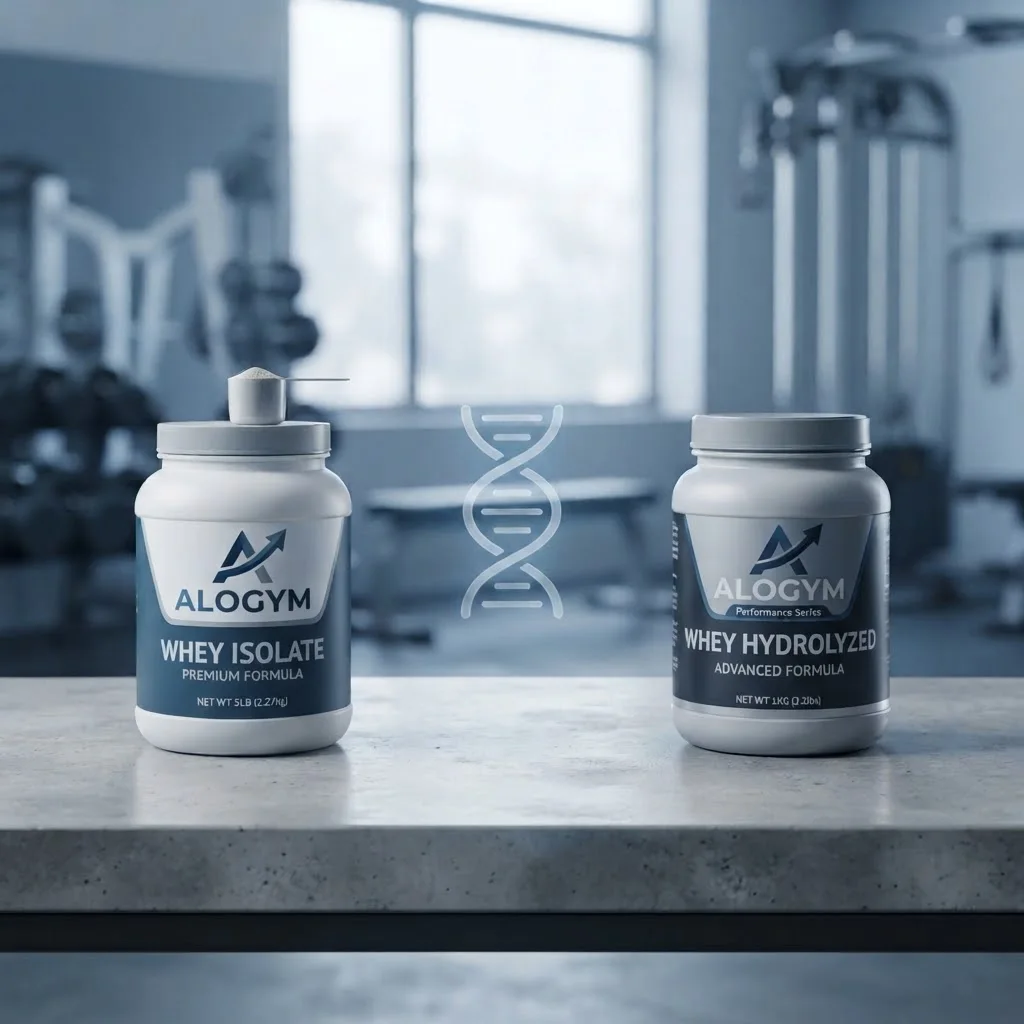
These terms are not opposites. “Isolate” describes separation and concentration, while “hydrolyzed” describes breaking protein into smaller peptides. A product may even be an isolate that is subsequently hydrolyzed, so the full label matters.
Quick answer
Isolate generally offers high protein, low lactose, better taste and a more moderate price. Hydrolysate may digest faster, but a clear long-term muscle-building advantage is unproven. If isolate is well tolerated, there is little reason to pay more.
What matters
- Check the starting material and degree of hydrolysis.
- Do not equate faster absorption with better outcomes.
- Consider bitterness and price.
- Investigate digestive symptoms before switching.
- Keep protein dose and diet in perspective.
A practical approach
- Define the need.
- Use reputable isolate as the baseline.
- Compare cost per protein serving.
- Test tolerance and taste.
- Choose hydrolysate only for a real benefit.
Frequently asked questions
Does hydrolysate speed recovery?
Acute responses may differ, but lasting practical superiority is unclear.
Is isolate slow?
No; whey isolate is also rapidly digested.
References
- Comparative Meta-Analysis of Concentrated, Hydrolyzed and Isolated Whey Protein — https://pubmed.ncbi.nlm.nih.gov/31480653/
- ISSN Position Stand: Protein and Exercise — https://pubmed.ncbi.nlm.nih.gov/28642676/