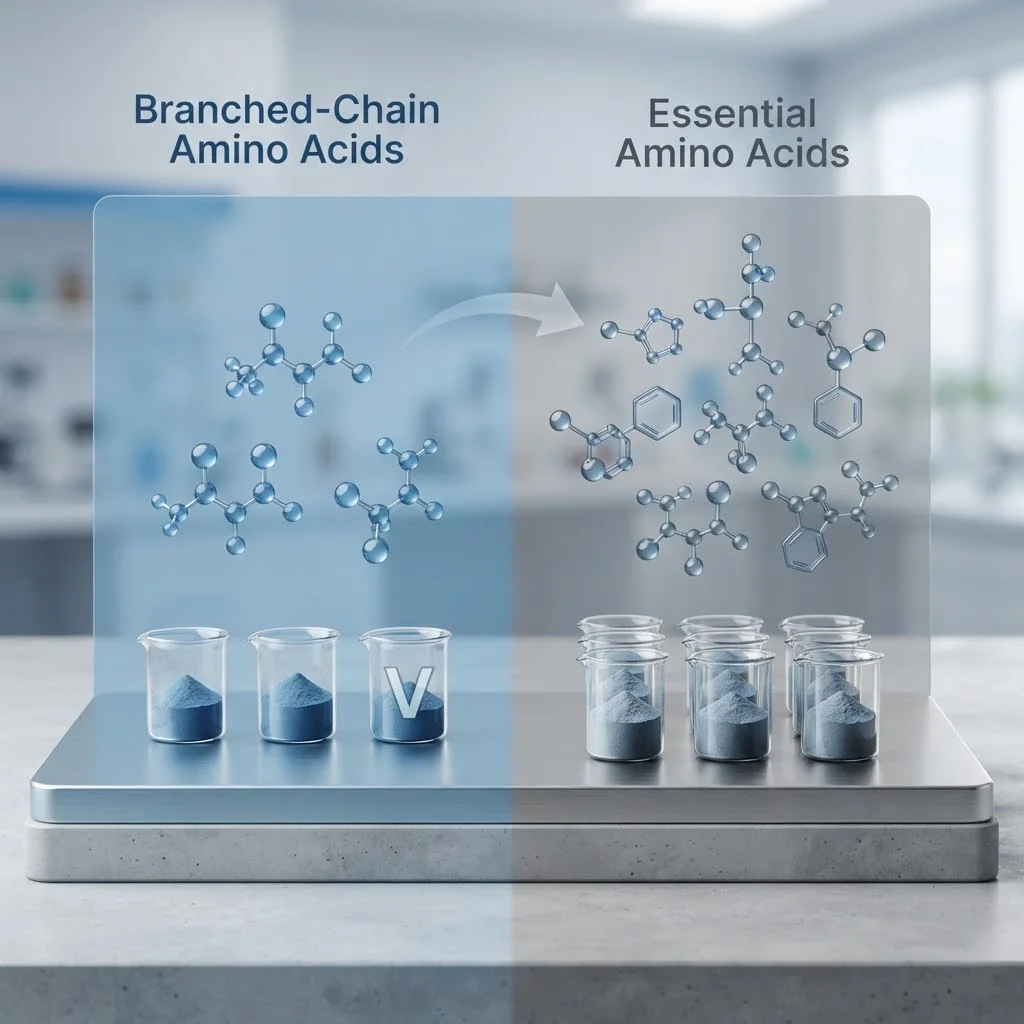
EAA vs BCAA
If choosing between them, EAAs provide a more complete set for protein synthesis, though food or complete protein usually comes first.
Read article →If choosing between them, EAAs provide a more complete set for protein synthesis, though food or complete protein usually comes first.
Read article →

Practical guidance for training, nutrition, supplements and healthy living.
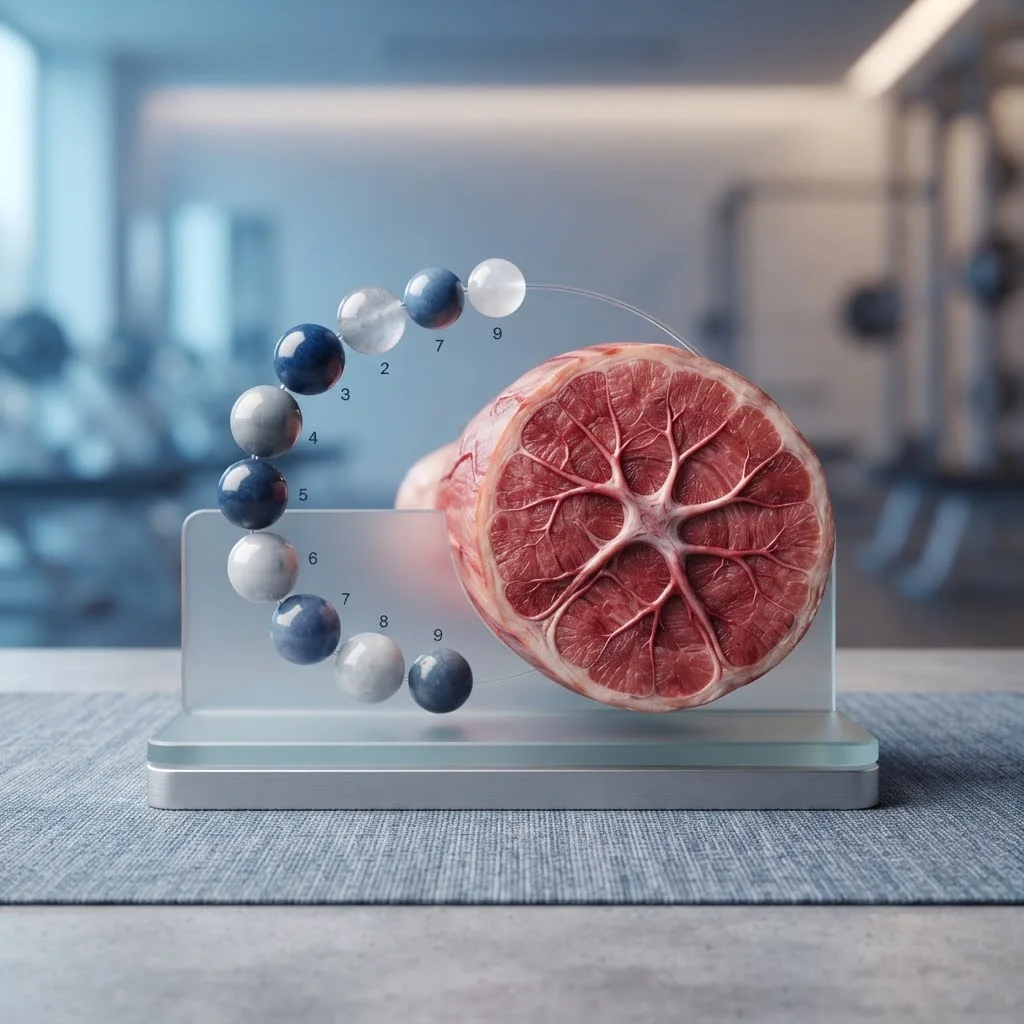
EAAs are the nine essential amino acids the body cannot make and must obtain from food or supplements.
Read article →
Yes. Creatine and whey have different roles and can be taken in one shake or separately.
Read article →
Tolerance means repeated use makes the same stimulant dose feel or perform less strongly; it mainly concerns caffeine, not every pre-workout ingredient.
Read article →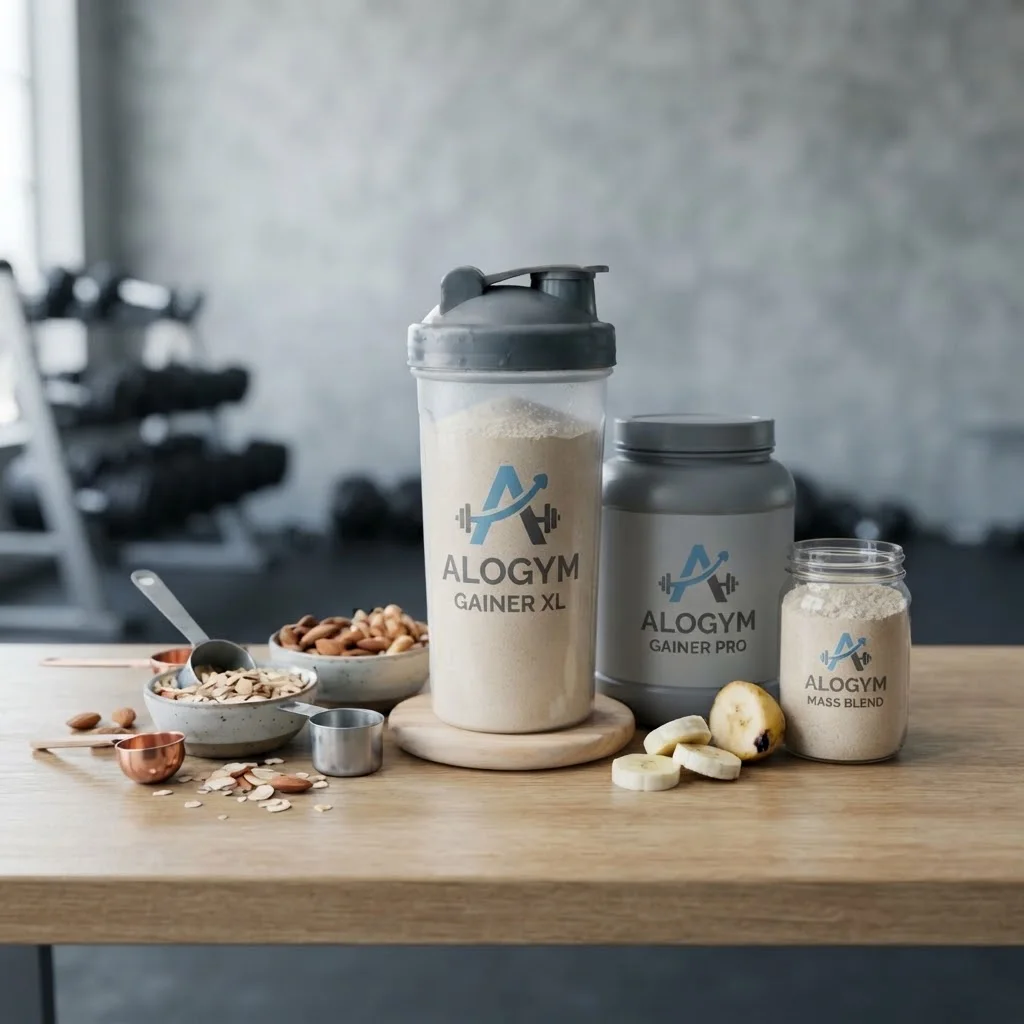
A weight gainer is a calorie-dense powder, usually high in carbohydrate with protein and sometimes fat, designed to make weight gain easier.
Read article →
Yes; simultaneous intake is unnecessary and high doses may upset the stomach.
Read article →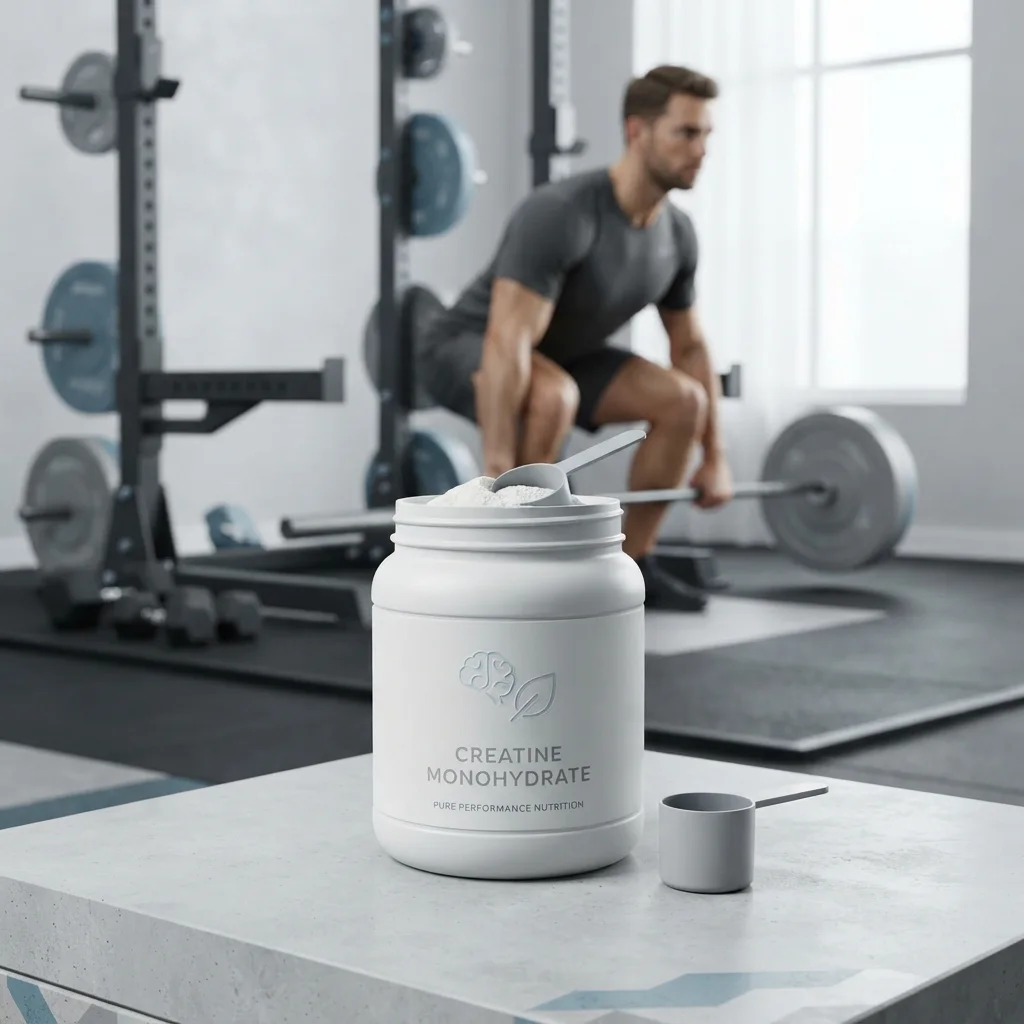
Creatine raises phosphocreatine stores and supports ATP regeneration during repeated intense efforts—not through a magical muscle-building shortcut.
Read article →
Pre-sleep casein can increase overnight protein synthesis, especially when daily intake or dinner was low, but it is not mandatory.
Read article →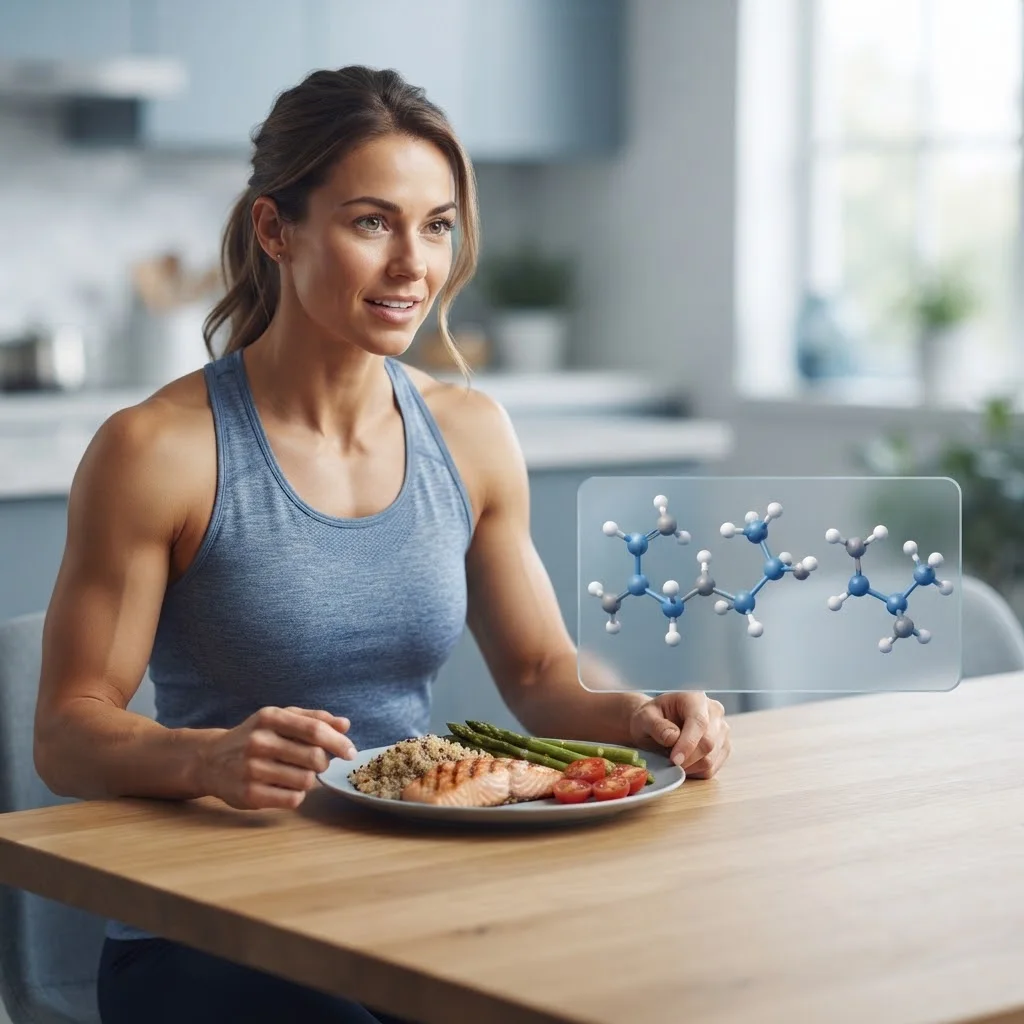
BCAAs are the three essential amino acids leucine, isoleucine and valine; they are part of complete protein, not a replacement for it.
Read article →
Current evidence does not confirm that creatine causes hair loss; a direct trial found no difference in DHT or hair measures.
Read article →
Whey is faster and lighter; casein is slower and thicker. Both are complete proteins, so choose by timing, tolerance and preference.
Read article →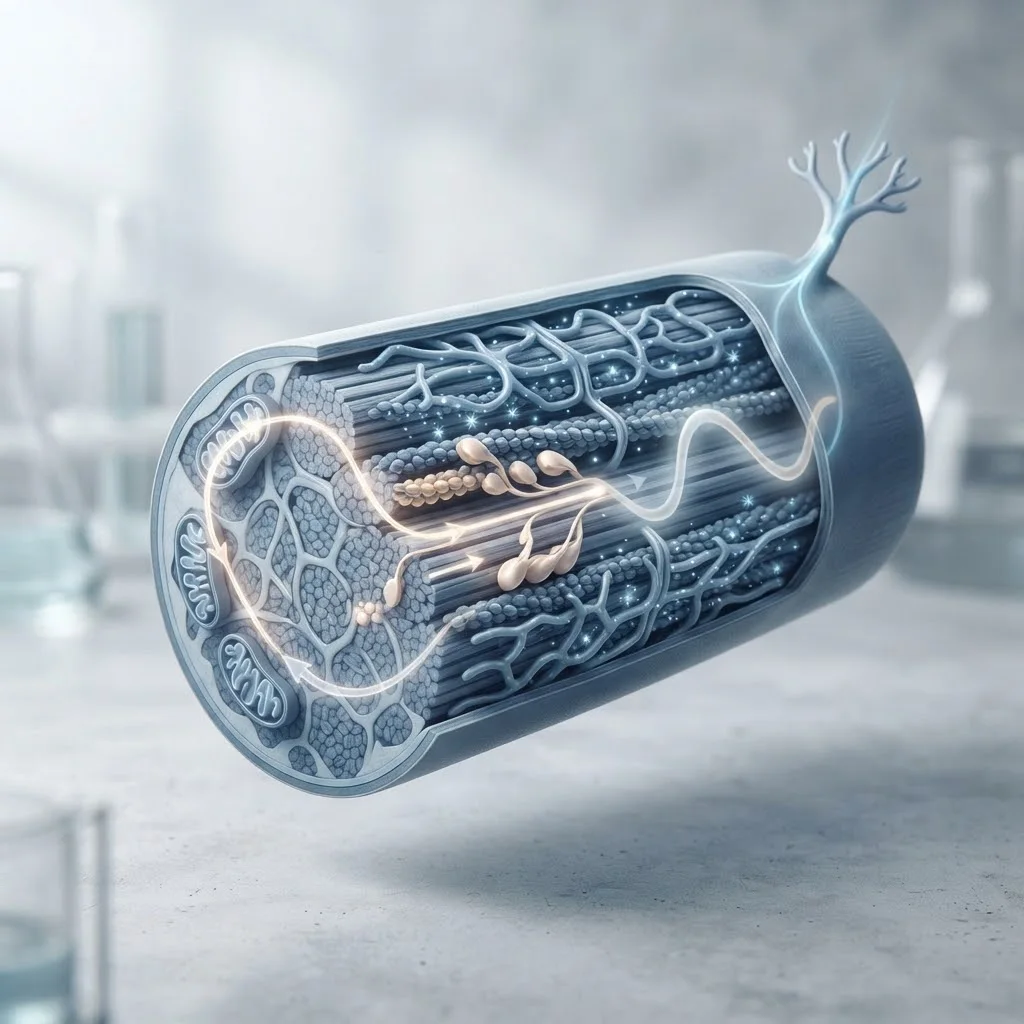
Creatine is a natural compound in the body and food that supports rapid muscular energy. Understand its real uses, effects, and limits.
Read article →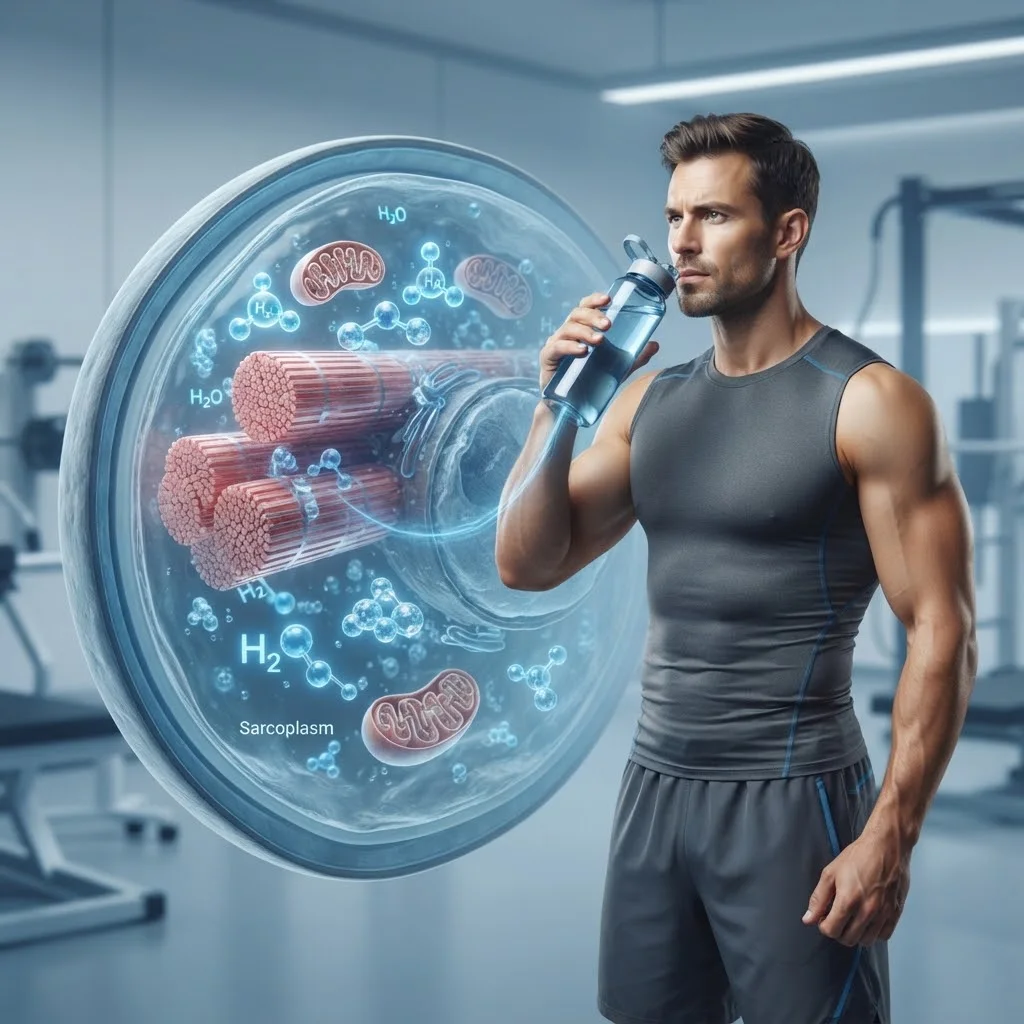
Creatine typically increases water inside muscle; this is not the same as subcutaneous puffiness or dehydration.
Read article →