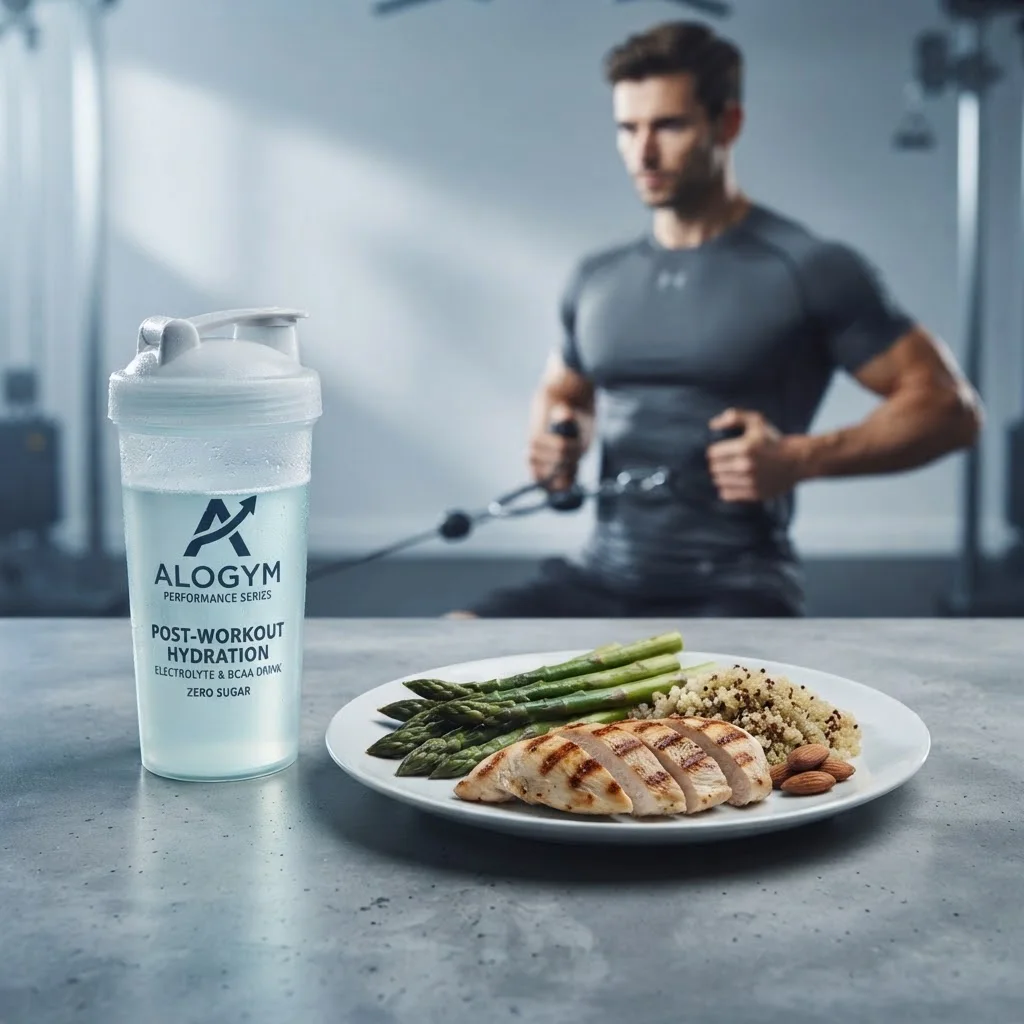
Whey is not a fat burner and cannot make a cut successful by itself. It is a convenient protein source that may support fullness, lean-mass retention and meal planning during an energy deficit. Results still depend on a sensible deficit, resistance training and sleep.
Quick answer
Isolate often provides more protein per calorie, but a quality concentrate is entirely suitable if it fits daily energy intake. Instead of chasing “cutting” labels, compare protein-to-calorie ratio, added sugar and fat, digestive tolerance and independent testing.
What matters
- Cutting aims to retain muscle while losing fat.
- Do not simply add the shake; budget it into calories.
- High-carb, high-fat powders are less convenient here.
- A palatable product should not trigger unplanned servings.
- Whole-food protein remains the foundation.
A practical approach
- Set calorie and protein targets.
- Track three days of food.
- Use whey only for the actual gap.
- Compare products per 25 g protein.
- Review weight trend, waist and strength every two weeks.
Frequently asked questions
Is isolate always better?
No; its main advantage is lower lactose and calories.
Replace meals with whey?
Occasionally for convenience, but most meals should be whole food.
References
- ISSN Position Stand: Protein and Exercise — https://pubmed.ncbi.nlm.nih.gov/28642676/
- Protein Supplementation and Resistance Training: Systematic Review and Meta-Analysis — https://pubmed.ncbi.nlm.nih.gov/28698222/
- Nutrition and Athletic Performance: Joint Position Statement — https://pubmed.ncbi.nlm.nih.gov/26891166/