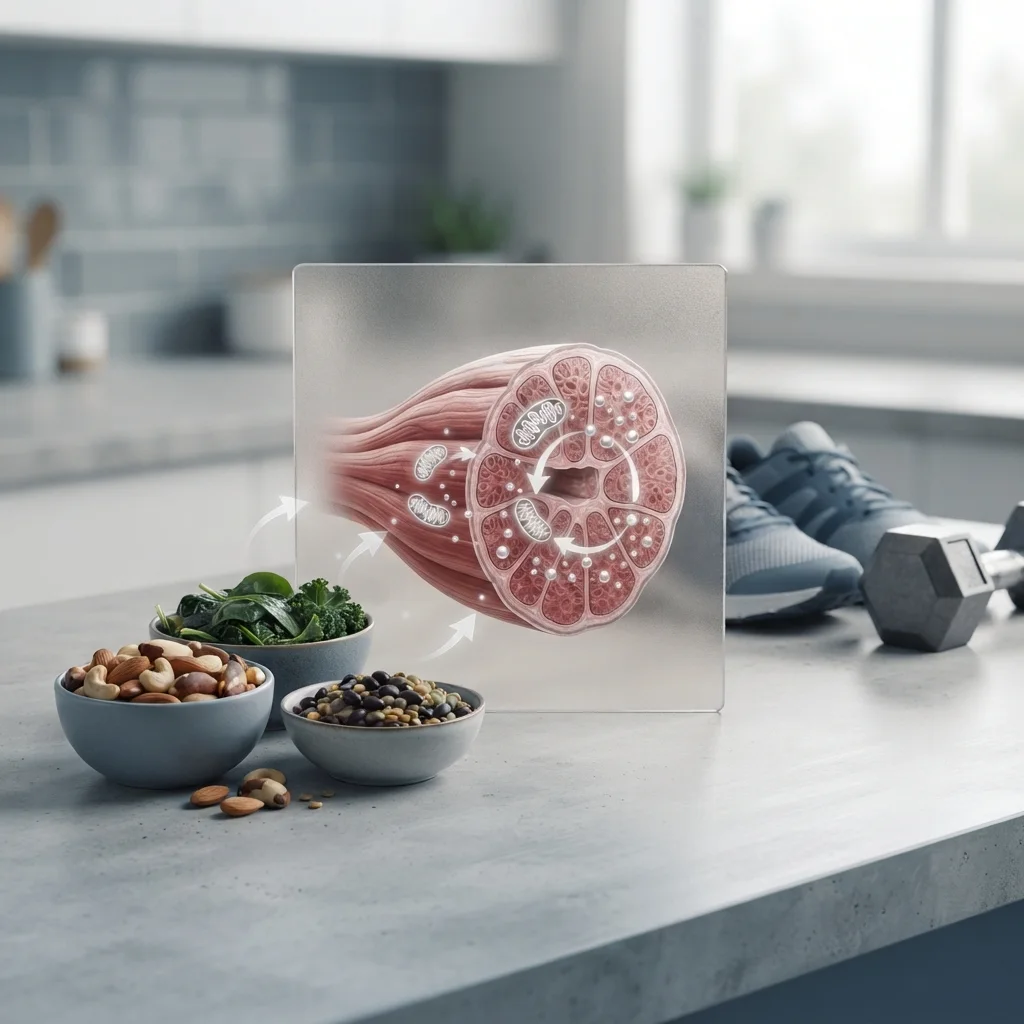
Zinc is essential for immunity, repair and protein synthesis, but extra zinc does not reliably raise muscle or testosterone without deficiency. An informed choice considers diet, relevant testing and the risk of excessive intake.
Quick answer
Meat, shellfish, dairy, legumes and nuts provide zinc. Long-term high doses can impair copper absorption and cause anemia or neurologic problems. Vegan athletes may need closer dietary assessment. A supplement is useful when it addresses a defined need at an appropriate, monitorable dose.
What matters
- Do not diagnose deficiency by guesswork.
- Read the active amount on the label.
- Count food and supplement intake together.
- Higher doses are not always better.
- Medical conditions and medicines need review.
A practical approach
- Review the goal and current diet.
- Use appropriate testing or assessment when needed.
- Choose a simple independently tested product.
- Use an appropriate amount for a defined period.
- Reassess outcomes and adverse effects.
Frequently asked questions
Do athletes always need more?
No; needs depend on sport, diet, sweat losses, health and deficiency.
Can products be combined?
Only after checking overlapping doses and interactions.
References
- NIH ODS — Zinc — https://ods.od.nih.gov/factsheets/Zinc-HealthProfessional/