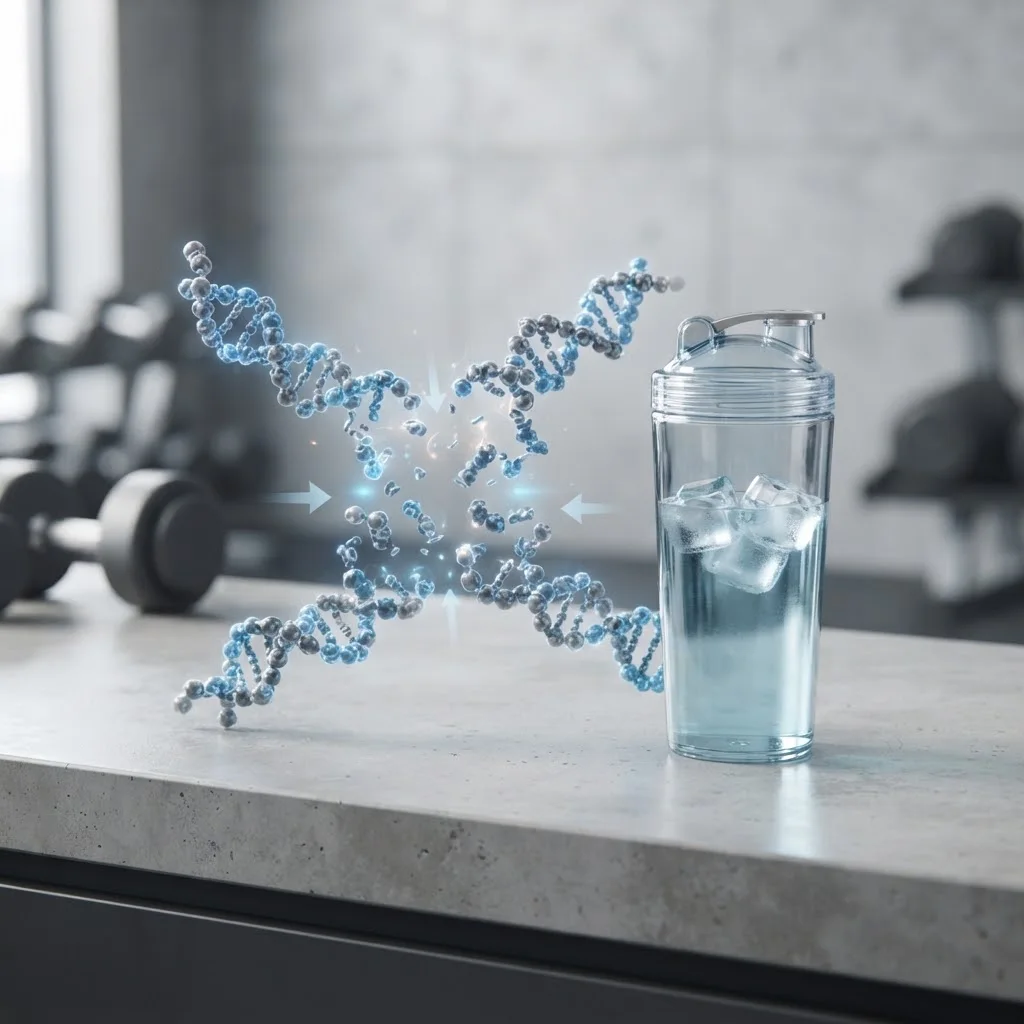
Hydrolysis uses enzymes or controlled processing to split proteins into smaller peptide chains, resembling part of normal digestion. The product is often more bitter and expensive, and the degree of hydrolysis varies between brands.
Quick answer
Faster absorption alone does not guarantee more muscle over months. When protein dose, training and energy are matched, evidence for clear superiority over isolate or concentrate is limited. Its role is more about individual tolerance, specialized products or a specific clinical reason identified by a professional.
What matters
- Hydrolyzed does not mean lactose-free.
- Shorter peptides may taste more bitter.
- Higher price does not guarantee better outcomes.
- Milk allergy can still be dangerous.
- Read added ingredients and sweeteners.
A practical approach
- Define the actual need.
- Consider a simpler reputable option first.
- Test a small serving for tolerance.
- Compare protein and calories with alternatives.
- Decide from real outcomes and budget.
Frequently asked questions
Better for a sensitive stomach?
Possibly for some, but lactose or additives may be the real issue.
Necessary post-workout?
No; an ordinary complete protein can work well.
References
- Comparative Meta-Analysis of Concentrated, Hydrolyzed and Isolated Whey Protein — https://pubmed.ncbi.nlm.nih.gov/31480653/
- ISSN Position Stand: Protein and Exercise — https://pubmed.ncbi.nlm.nih.gov/28642676/
- FDA — Questions and Answers on Dietary Supplements — https://www.fda.gov/food/information-consumers-using-dietary-supplements/questions-and-answers-dietary-supplements