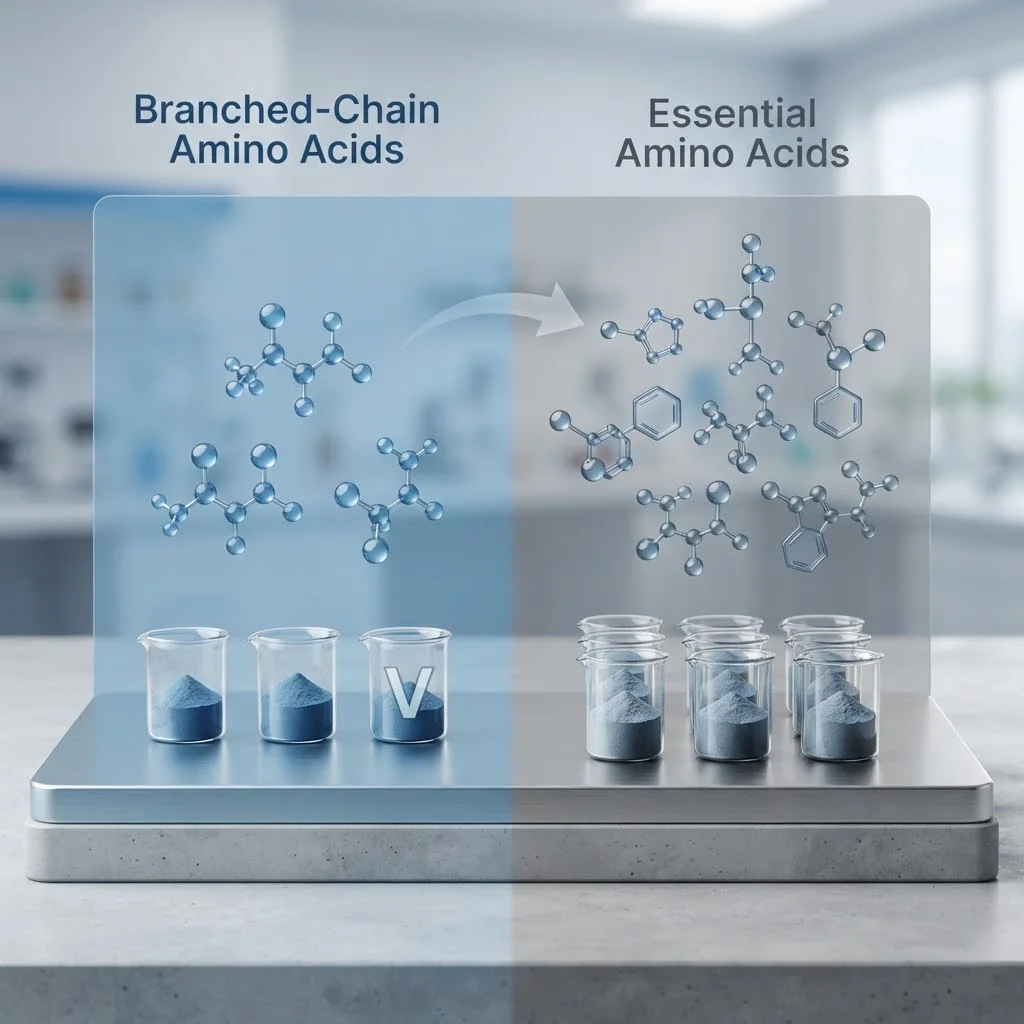
EAA vs BCAA
If choosing between them, EAAs provide a more complete set for protein synthesis, though food or complete protein usually comes first.
Read article →If choosing between them, EAAs provide a more complete set for protein synthesis, though food or complete protein usually comes first.
Read article →

Practical guidance for training, nutrition, supplements and healthy living.

Continue creatine on rest days; the goal is maintaining muscle saturation, with no dose change needed.
Read article →
No decisive pre- versus post-workout advantage is established; choose what improves consistency and tolerance.
Read article →
Use whey on rest days if food does not provide enough protein; it is unnecessary when food meets the target.
Read article →
The best time is the one you can follow daily; saturation matters more than the exact minute.
Read article →
For most healthy adults, 3–5 g of monohydrate daily is simple and effective; loading is optional.
Read article →
For specific goals, creatine monohydrate, caffeine, beta-alanine and in some sports nitrate or bicarbonate have stronger evidence; protein helps when food is insufficient.
Read article →
The best time is when whey helps complete daily protein consistently; around training is useful, but there is no tiny deadline.
Read article →
Monohydrate has stronger evidence and value; HCL is more soluble, but superior outcomes are unproven.
Read article →
An electrolyte supplement provides minerals such as sodium, potassium and sometimes magnesium to replace sweat losses.
Read article →
Pea protein is a plant supplement made from yellow peas; it provides useful protein but is relatively lower in methionine and differs from whey in taste and texture.
Read article →
Water makes a lighter, lower-calorie shake; milk adds protein, carbohydrate and energy. Choose by goal and tolerance.
Read article →
For most people, monohydrate is best because it combines strong evidence, clear dosing, safety, and value.
Read article →