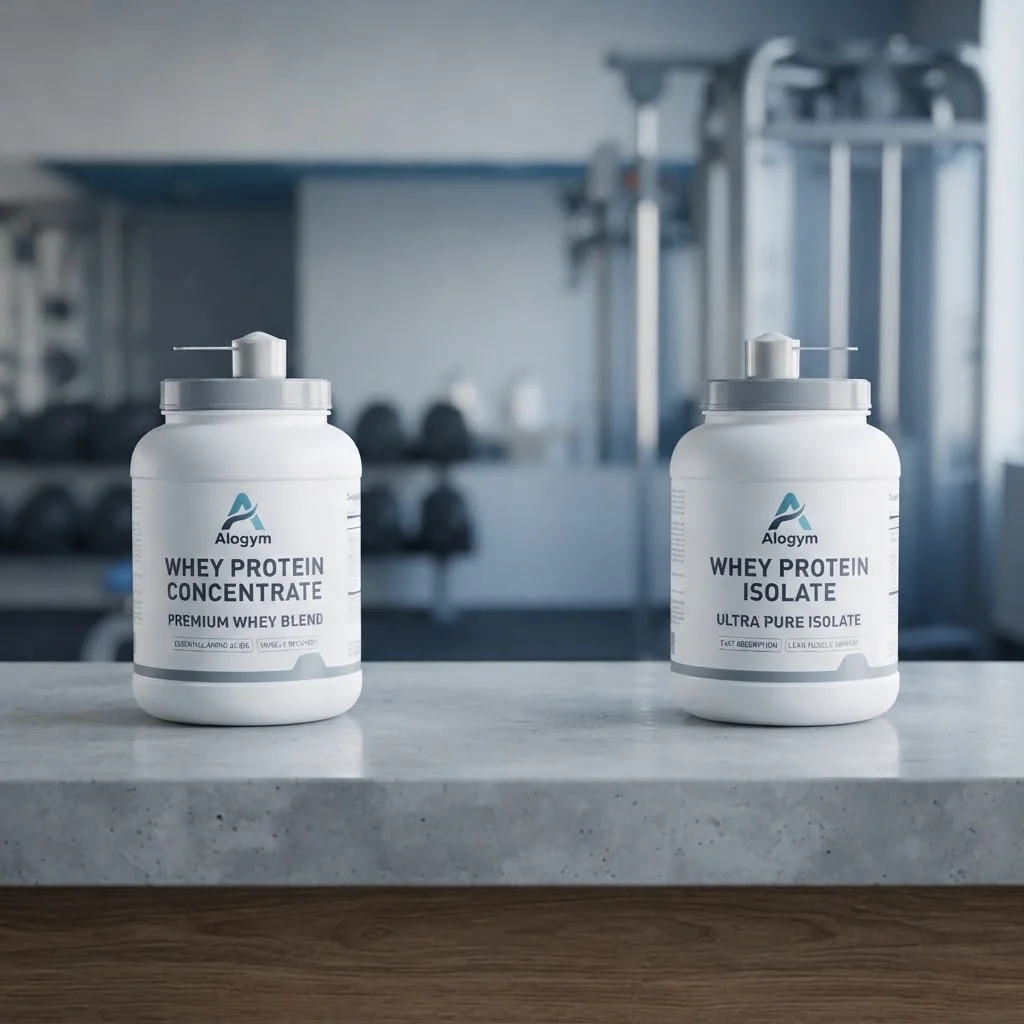
Both come from milk and provide essential amino acids including leucine. Concentrate is less filtered and usually retains more lactose and fat. Isolate is filtered further and generally contains a larger protein proportion per equal weight of powder.
Quick answer
Use three questions: Do you tolerate concentrate without bloating? Does the small calorie difference matter to your goal? Is isolate’s higher price comfortable? For muscle gain, adequate total protein and progressive training matter more than the label.
What matters
- Concentrate often offers better value.
- Isolate is convenient for calorie restriction or lactose sensitivity.
- Neither is safe for milk allergy.
- Look at actual protein, not scoop size.
- Brand quality and independent testing are separate issues.
A practical approach
- Compare two labels side by side.
- Calculate calories and cost per 25 g protein.
- Inspect ingredients.
- Assess digestion.
- Buy the simpler sustainable option.
Frequently asked questions
Is isolate better for cutting?
It may be convenient, but total calorie deficit decides fat loss.
Is concentrate weaker for bulking?
No; at an equal protein dose it is effective.
References
- Comparative Meta-Analysis of Concentrated, Hydrolyzed and Isolated Whey Protein — https://pubmed.ncbi.nlm.nih.gov/31480653/
- ISSN Position Stand: Protein and Exercise — https://pubmed.ncbi.nlm.nih.gov/28642676/
- Protein Supplementation and Resistance Training: Systematic Review and Meta-Analysis — https://pubmed.ncbi.nlm.nih.gov/28698222/