Creatine Before or After a Workout?
No decisive pre- versus post-workout advantage is established; choose what improves consistency and tolerance.
Read article →No decisive pre- versus post-workout advantage is established; choose what improves consistency and tolerance.
Read article →

Practical guidance for training, nutrition, supplements and healthy living.

A clear, evidence-informed guide to effective training and steady progress without needless complexity.
Read article →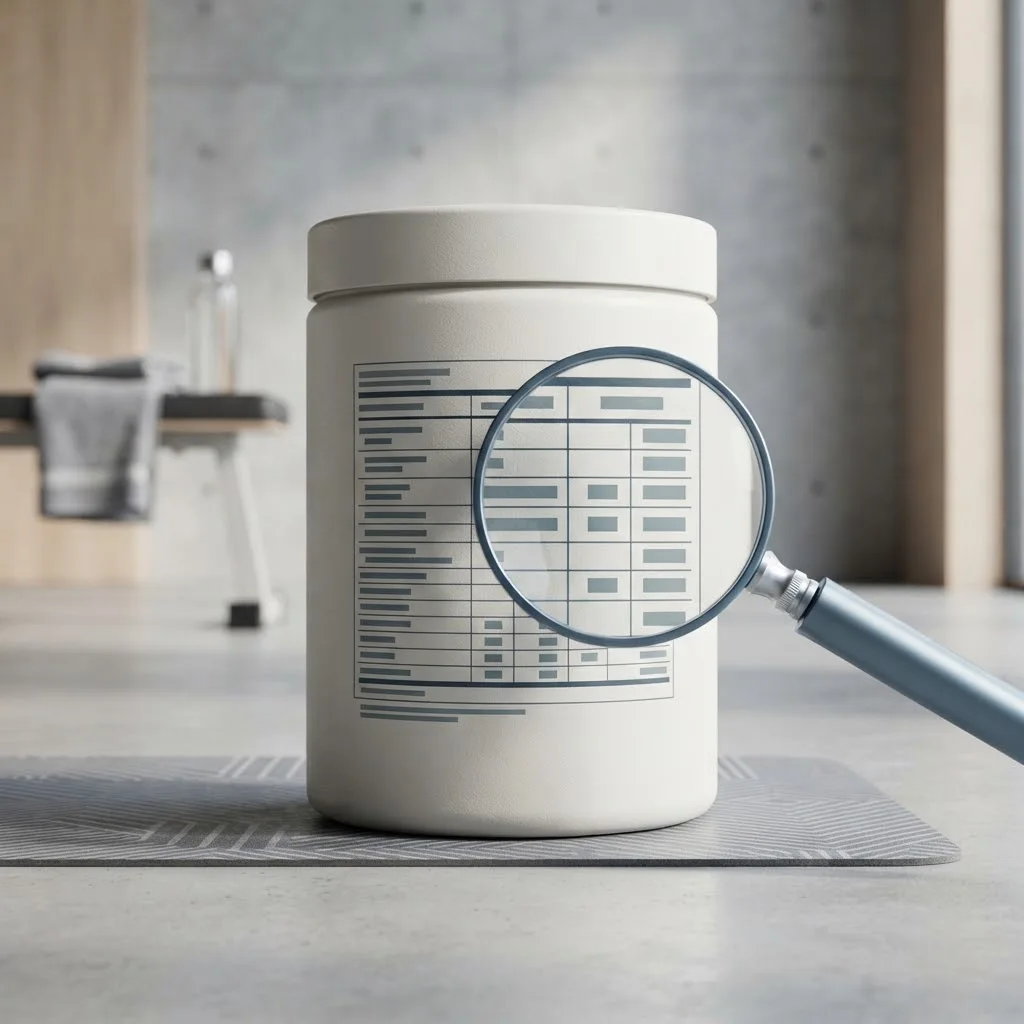
Read serving size, actual ingredient amounts, other ingredients, and warnings step by step without being misled by percentages or opaque blends.
Read article →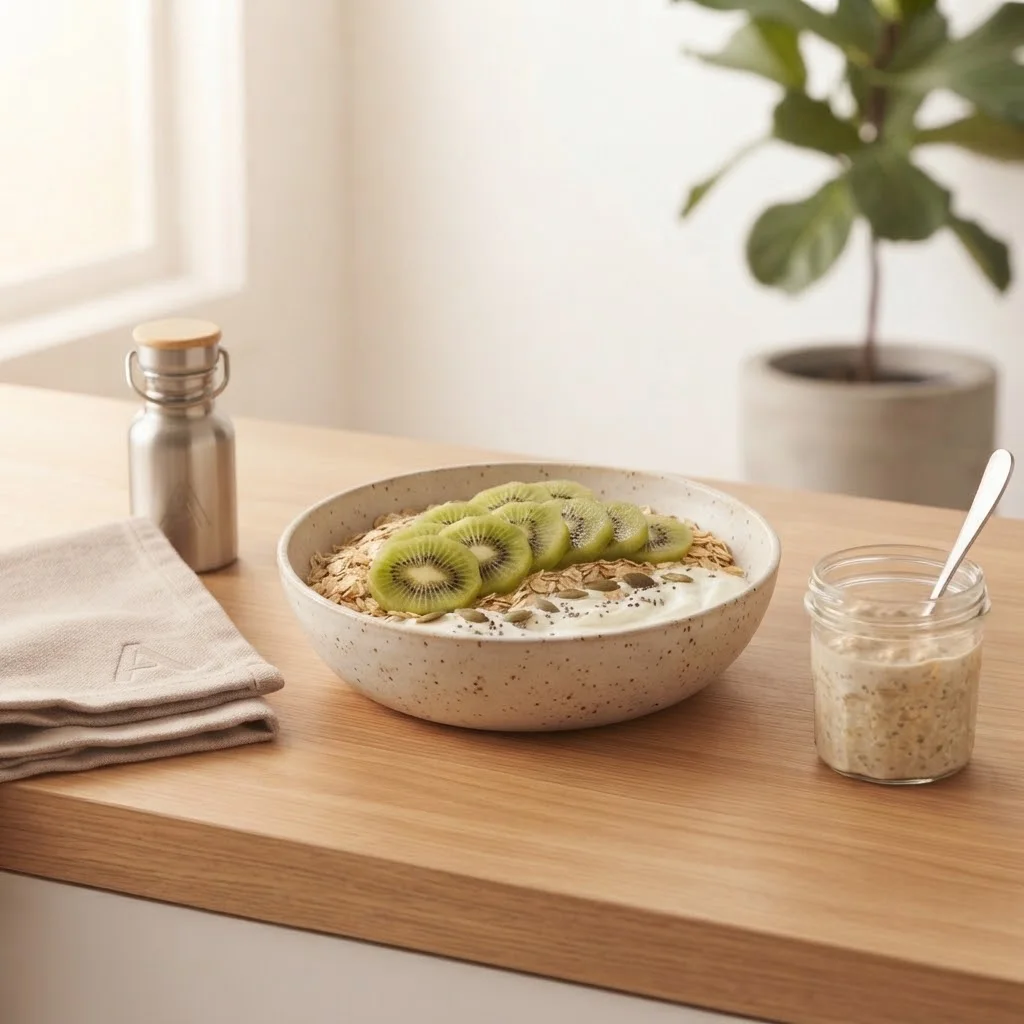
Kiwifruit provides carbohydrate, fiber, potassium, and vitamin C and adds variety to an athlete diet, but it is not a protein meal by itself.
Read article →
Tangerine is portable, juicy, and easy to snack on, providing carbohydrate and vitamin C; another food is needed for protein.
Read article →
Yes. Whey is only a convenient protein source. Muscle is built through progressive training, enough energy and adequate protein from food or other sources.
Read article →
An evidence-informed, practical guide for making a clearer decision about this topic in your nutrition and training plan.
Read article →
A deload is a short reduction in training stress. Learn when it is useful and how to apply it without losing progress.
Read article →
Orange supplies water, carbohydrate, fiber, and vitamin C and fits a varied athlete diet, but it does not replace a complete recovery meal.
Read article →
Cardio does not automatically burn muscle. Problems usually come from excessive workload, a large energy deficit, and poor recovery.
Read article →
Apple is low in energy density and provides water and fiber, making it useful for snacks and hunger management, but it contains very little protein.
Read article →
For most healthy adults, evidence does not require routine cycling off.
Read article →
Banana is portable and provides carbohydrate and potassium, making it practical around training, but it is not a meaningful protein source.
Read article →