Creatine Before or After a Workout?
No decisive pre- versus post-workout advantage is established; choose what improves consistency and tolerance.
Read article →No decisive pre- versus post-workout advantage is established; choose what improves consistency and tolerance.
Read article →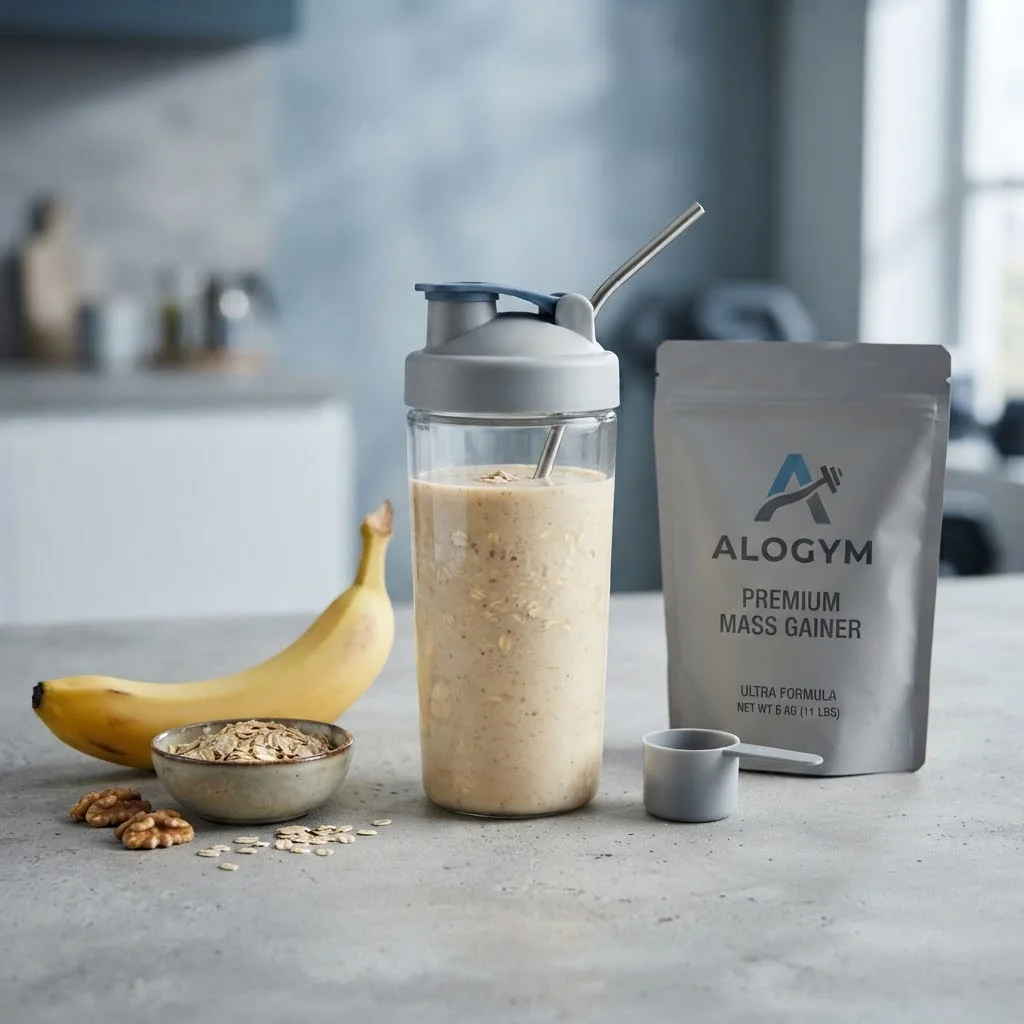

Practical guidance for training, nutrition, supplements and healthy living.
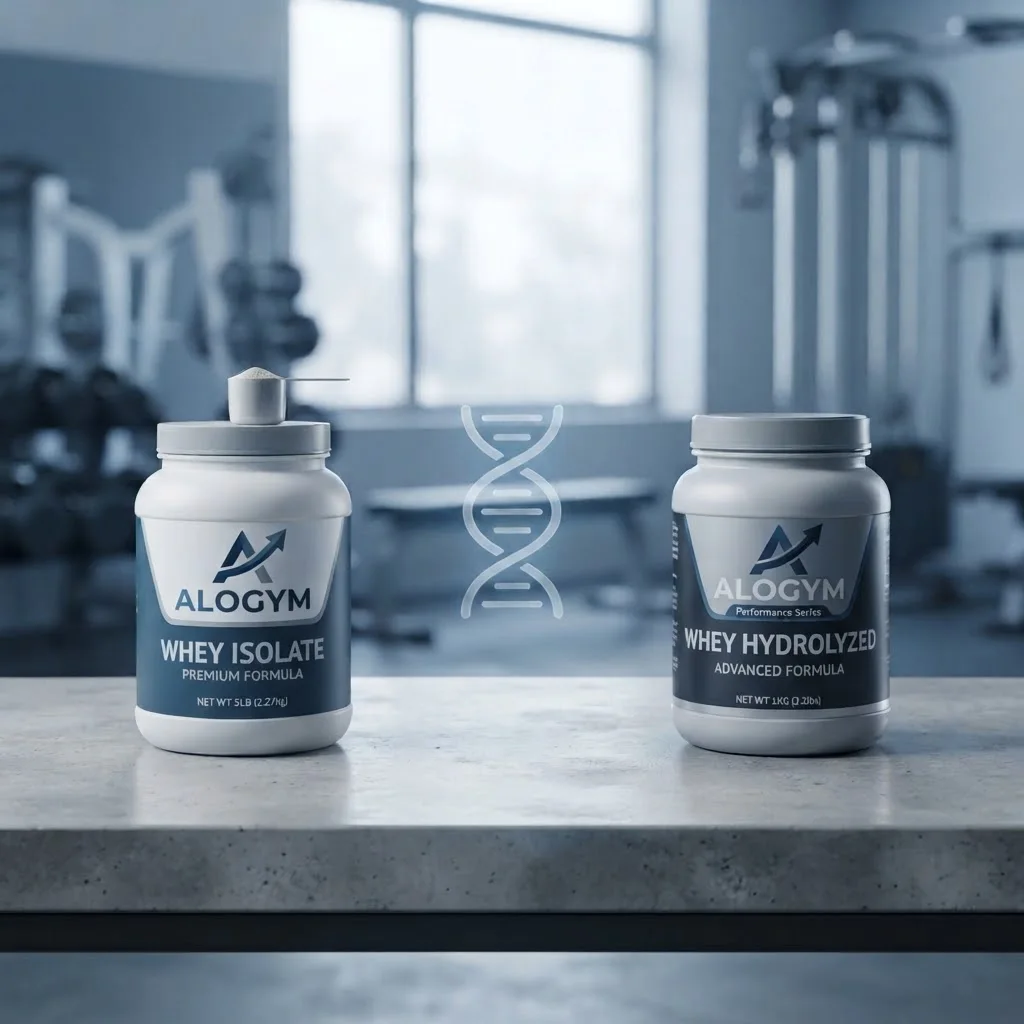
Isolate is the more practical choice for most; hydrolyzed whey justifies its higher cost only in specific situations.
Read article →
A practical look at protein, calories, fat, serving weight, and preparation.
Read article →
A practical, evidence-informed guide to better exercise, loading, and execution choices.
Read article →
A practical look at protein, calories, fat, serving weight, and preparation.
Read article →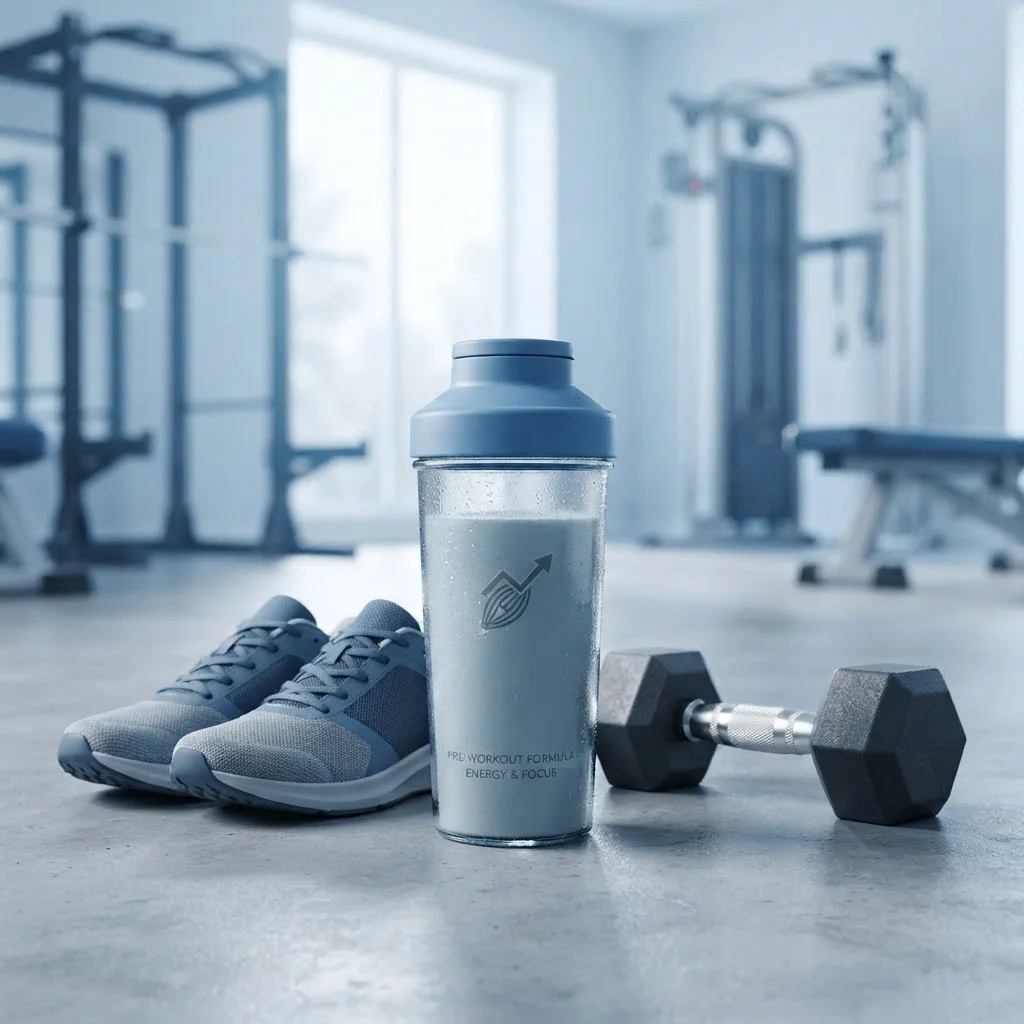
Pre-workout is a category of multi-ingredient products used before exercise for energy, focus or performance; formulas are not standardized.
Read article →
Magnesium supports muscle, nerve and energy functions; supplements mainly address deficiency or low intake rather than guaranteeing performance gains.
Read article →
A practical look at protein, calories, fat, serving weight, and preparation.
Read article →
Creatine citrate is a more soluble form, but its actual creatine yield and performance evidence should be compared with monohydrate.
Read article →
An effective program must still work during busy weeks, not only under perfect conditions.
Read article →
A practical look at protein, calories, fat, serving weight, and preparation.
Read article →
A clear, evidence-informed guide to applying this phase without extreme dieting or reacting to daily fluctuations.
Read article →
Most fat burners do not produce large, lasting effects; any benefit is limited compared with a calorie deficit and daily habits.
Read article →