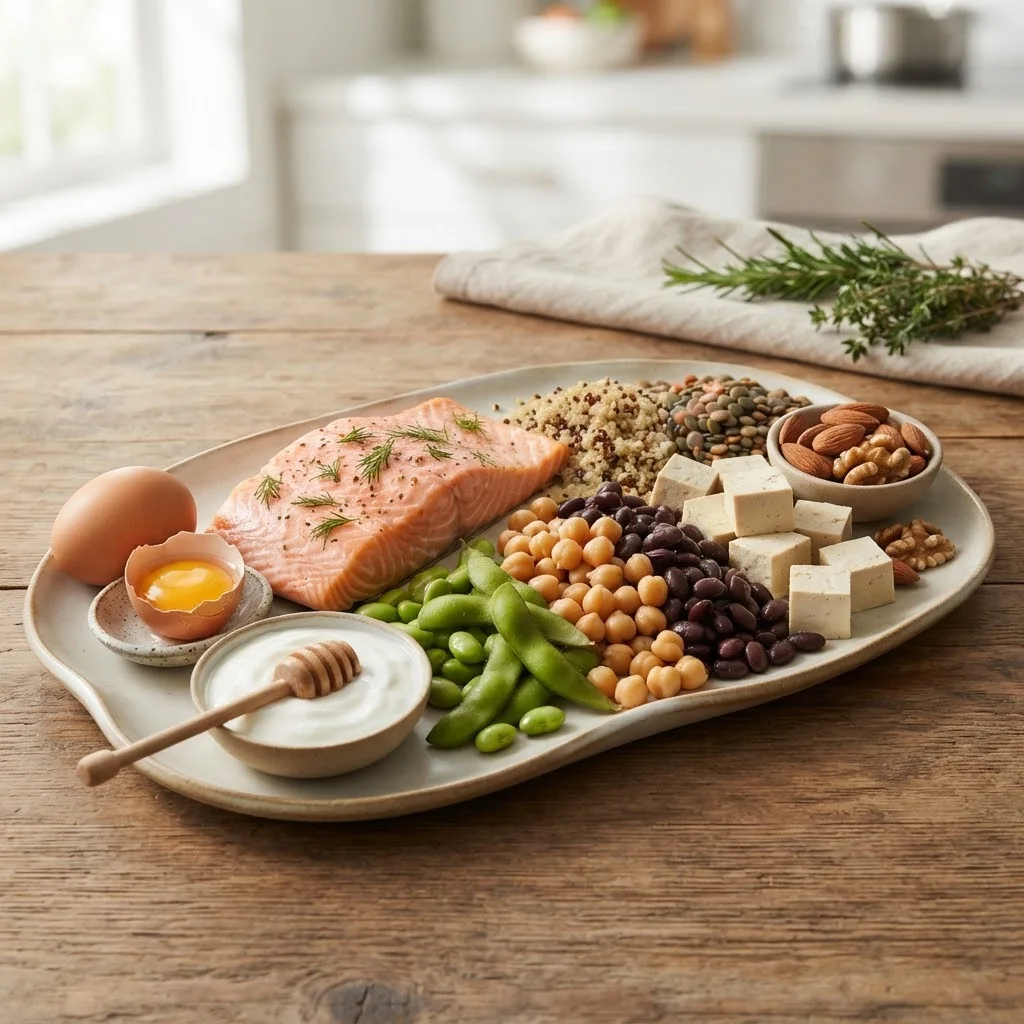
What Is a Complete Protein?
Learn what complete protein and essential amino acids mean, and whether every meal must contain one.
Read article →Learn what complete protein and essential amino acids mean, and whether every meal must contain one.
Read article →
Practical guidance for training, nutrition, supplements and healthy living.

Water is enough for most short workouts; a sports drink is useful when prolonged or hot exercise creates a simultaneous need for fluid, carbohydrate, and sodium.
Read article →
The need for carbohydrate during exercise depends mainly on duration, intensity, prior fueling, and performance goals; it is usually unnecessary for short sessions.
Read article →
For most ordinary sessions under an hour, water is enough; during-workout fueling becomes more relevant for long, hard, or repeated exercise.
Read article →
An evidence-informed, practical guide for making a clearer decision about this topic in your nutrition and training plan.
Read article →
Fasted training is tolerable for some people and sessions, but it has no magical fat-loss advantage and may reduce the quality of demanding workouts.
Read article →
Before a morning workout, choose a full breakfast, light snack, or no food according to available time, session demands, and digestive tolerance.
Read article →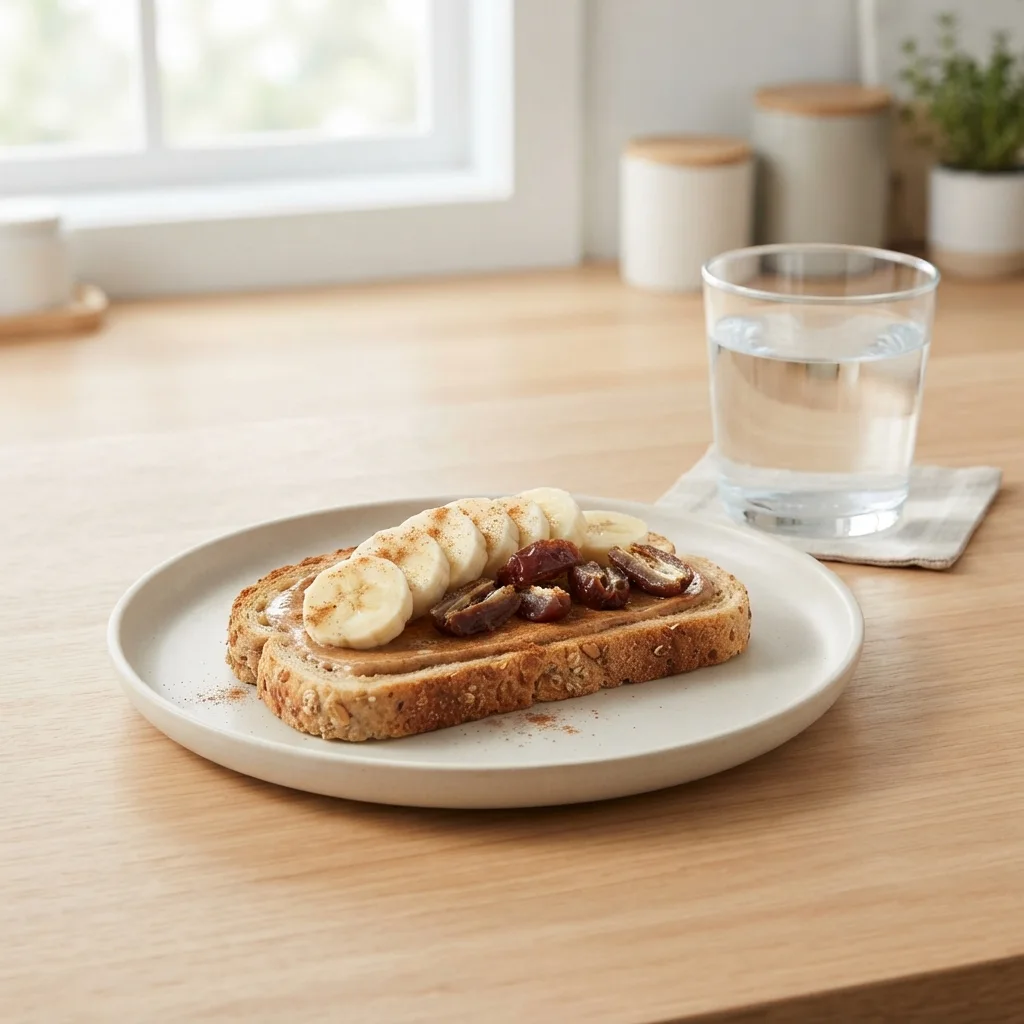
With only 30 minutes available, a small familiar low-fat snack with easily digested carbohydrate is usually better than a full meal.
Read article →
A full meal is often best tolerated 2–4 hours before exercise, while a small snack may fit 30–90 minutes before; exact timing depends on meal size and your gut.
Read article →
An evidence-informed, practical guide for making a clearer decision about this topic in your nutrition and training plan.
Read article →
A pre-workout meal built around digestible carbohydrate, adequate protein, and tolerable fat and fiber can support energy and comfort.
Read article →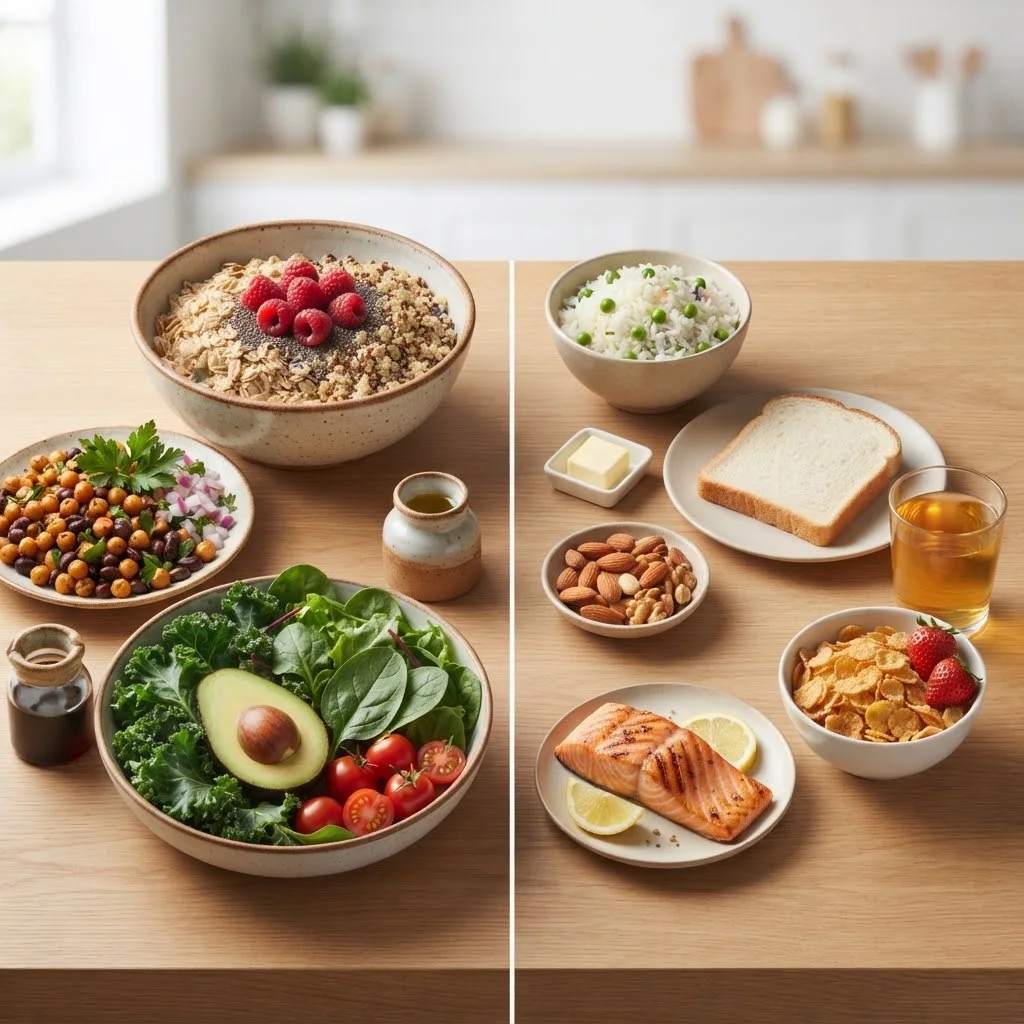
Glycemic load combines carbohydrate quality with the amount actually eaten, making it more useful than GI alone for understanding a real serving.
Read article →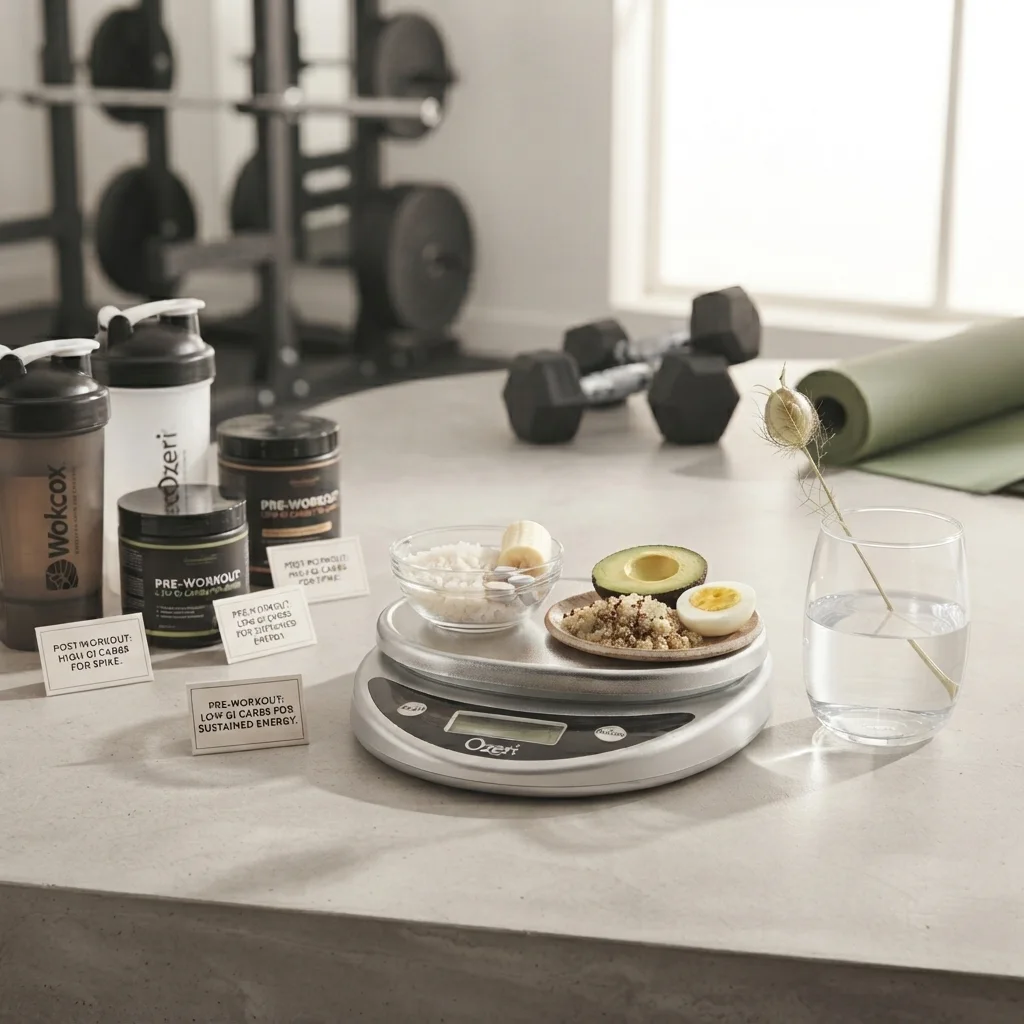
Understand the glycemic index without oversimplifying it, including the roles of portion size, mixed meals, and exercise timing.
Read article →