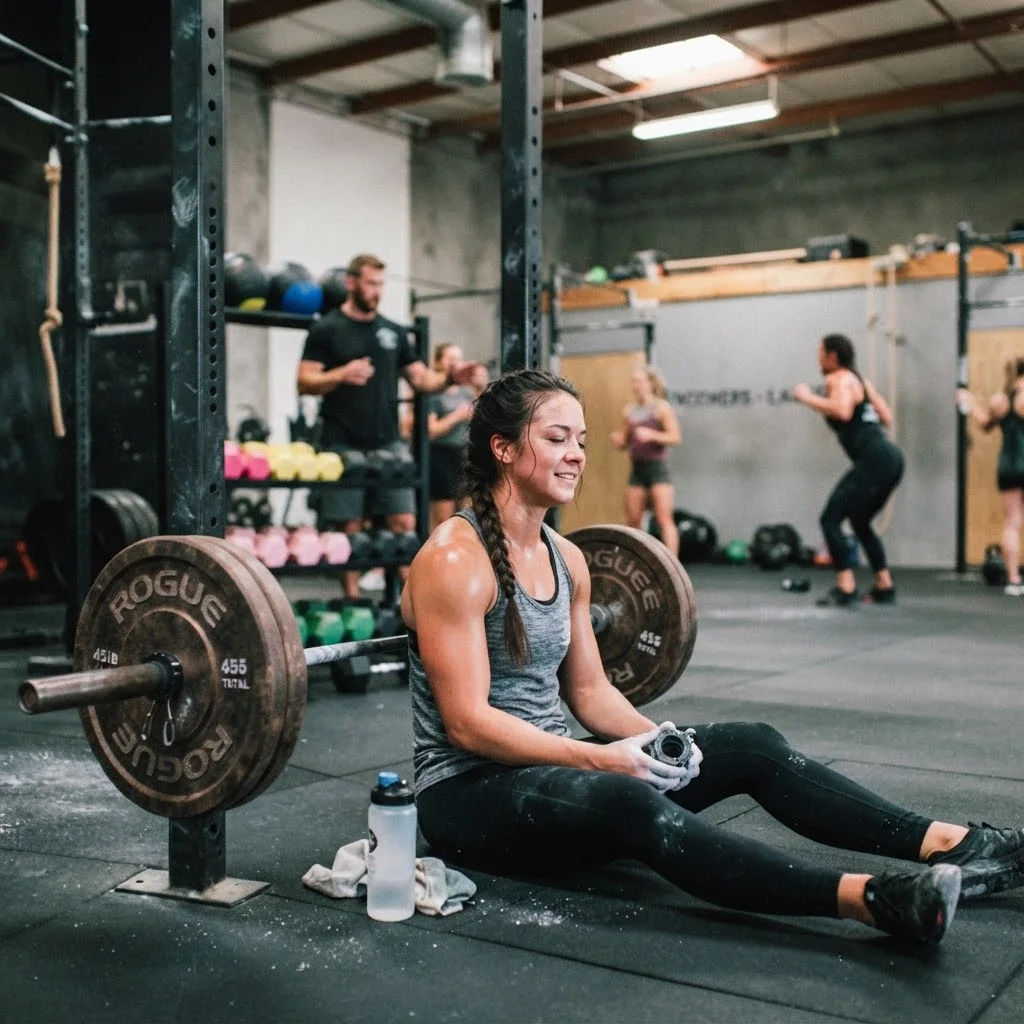
How Long Should You Rest Between Sets? is an important question, but there is no universal number. Training history, goals, schedule, recovery capacity, and exercise quality all matter.
The short answer
For demanding compound exercises, two to three minutes is often appropriate; for lighter isolation work, about one to two minutes often works. The main test is whether the next set can be performed with good technique and output.
What matters most
Very short rest raises heart rate and burning but may reduce repetitions and productive volume in later sets. More fatigue is not automatically a better stimulus.
Heavy squats, deadlifts, presses, and rows may justify three to five minutes. Lateral raises, curls, or calves often need less.
Individualize rest. Beginners, sleep-deprived trainees, and those training close to failure may require more time.
If repetitions collapse from the first to second set, check rest duration before immediately reducing the load.
How to apply it
- Start with 2–3 minutes for main lifts
- Start with 1–2 minutes for accessories
- Check repetitions and technique in the next set
- Add 30–60 seconds if performance drops sharply
Common mistakes
- Copying a program designed for a different person
- Increasing load, sets, and training days all at once
- Sacrificing range and control for a bigger number
- Changing the plan before enough data are collected
Bottom line
The best program is one you can repeat, record, and adjust from results. Start with a manageable dose and add work only while technique, performance, and recovery remain acceptable.
References
- Systematic review and Bayesian meta-analysis — Inter-set rest and hypertrophy — https://pubmed.ncbi.nlm.nih.gov/39205815/
- BJSM — Resistance training prescription for strength and hypertrophy — https://bjsm.bmj.com/content/57/18/1211