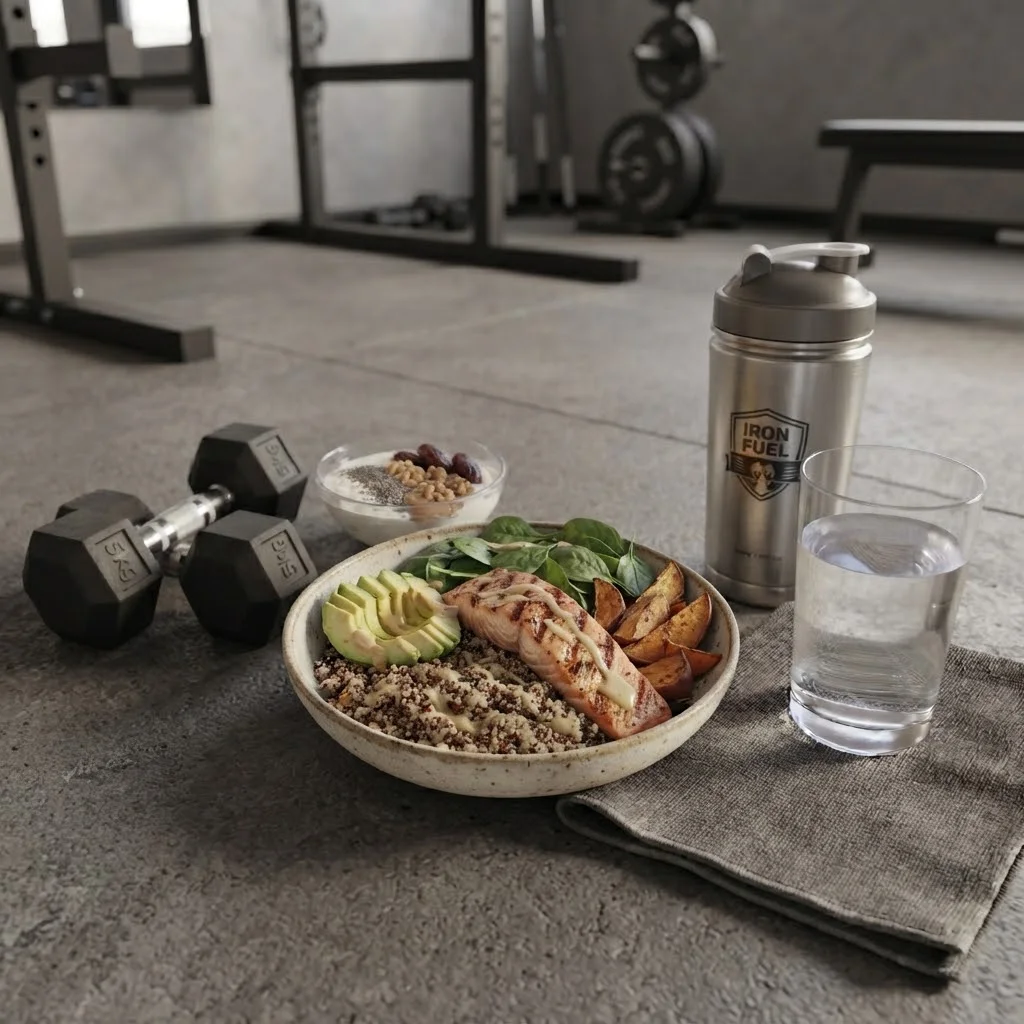
What Should You Eat for Healthy Weight Gain? is an important nutrition-planning question. The useful answer depends on body composition, training history, goals, sleep, and the ability to stay consistent, so personal trends matter more than an extreme universal rule.
The short answer
For healthy weight gain, raise calories through balanced, slightly more energy-dense meals containing adequate protein, carbohydrate, healthy fat, fruit, and vegetables. Gradual increases work better than sudden overeating.
What matters most
Add rice, bread, potatoes, or oats to existing meals and use milk, yogurt, eggs, meat, legumes, or soy for protein.
For low appetite, homemade smoothies, milk, nuts, nut butter, and measured oil add energy without excessive food volume.
Use weekly average weight. If it is unchanged for two to three weeks, add roughly 100–200 kcal daily rather than suddenly introducing several huge meals.
How to apply it
- Add one repeatable snack
- Slightly increase carbohydrate in two meals
- Assign protein to each meal
- Review weight and digestion for two weeks
Common mistakes
- Changing several variables at once and losing the cause of the result
- Reacting to one weigh-in instead of a weekly average
- Using supplements instead of correcting food and training
- Ignoring sleep, stress, and long-term adherence
Bottom line
A useful plan is measurable and sustainable. Make one small change, allow enough time for a trend to appear, then decide using weight, waist, performance, hunger, and recovery.
References
- NIDDK — Body Weight Planner — https://www.niddk.nih.gov/bwp
- ISSN Position Stand — Protein and exercise — https://pubmed.ncbi.nlm.nih.gov/28642676/