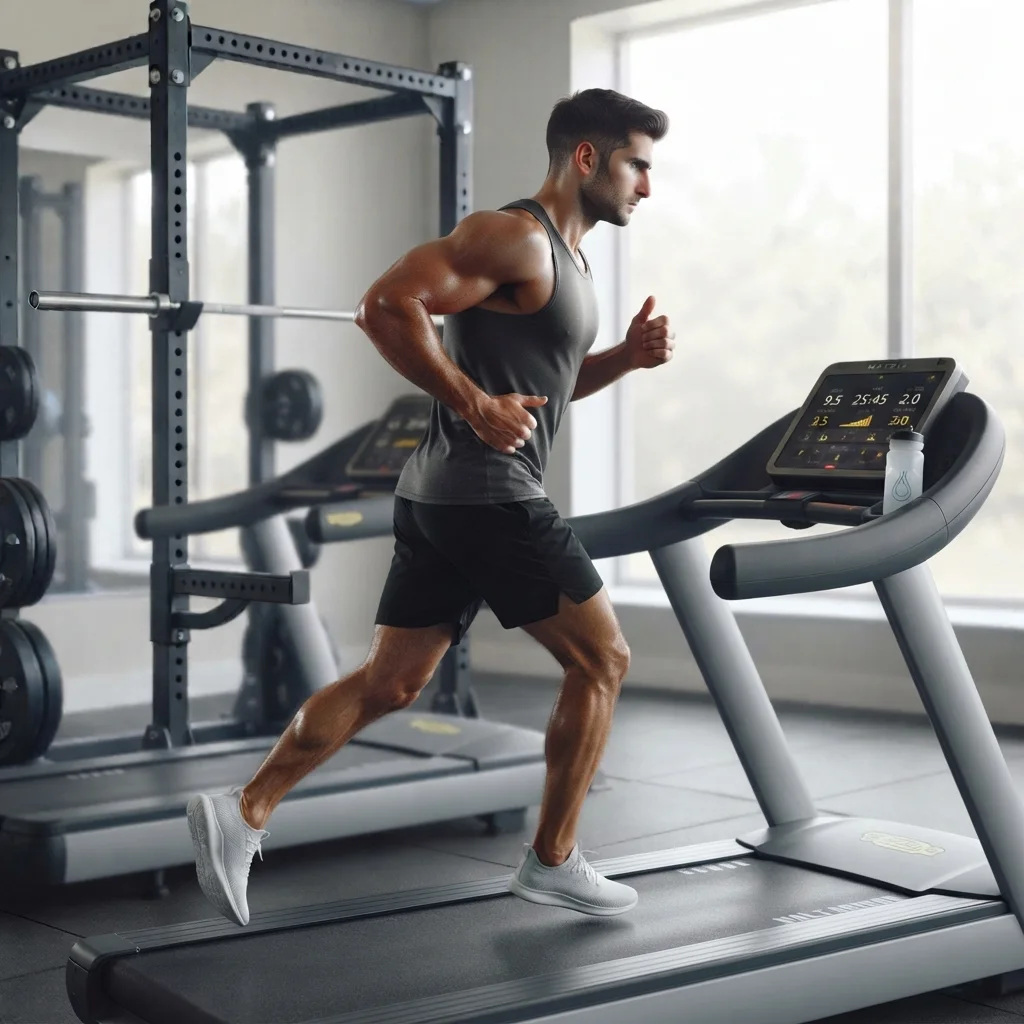
Cardio raises energy expenditure while lifting protects muscle. Most effective fat-loss plans use both. The sections below turn the evidence into practical decisions you can adapt to your goal, recovery, and real training schedule.
The short answer
Fat loss requires an energy deficit. Cardio often expends more energy during the session, while resistance training is more important for preserving or building muscle and shaping body composition. Combining regular lifting with tolerable cardio and sustainable nutrition is usually better than choosing only one.
What matters
Cardio raises energy expenditure and improves cardiorespiratory fitness. Moderate work, walking, and cycling are often easier to recover from than frequent HIIT.
Lifting may not create the fastest scale change, but it helps more of the lost weight come from fat rather than lean tissue.
Reviews support aerobic and combined training for fat-mass reduction, and adding resistance training does not block fat loss.
Do not choose from a watch calorie estimate alone. Appetite, fatigue, movement during the rest of the day, and adherence change real outcomes.
| Tool | Main fat-loss role |
|---|---|
| Weights | Preserve muscle and strength |
| Cardio | Increase expenditure and endurance |
| Nutrition | Create a sustainable deficit |
| Daily movement | Add expenditure with low fatigue |
How to apply it
- Set a moderate dietary deficit.
- Keep resistance training two to four days weekly.
- Start cardio at a recoverable dose.
- Adjust from weight and performance trends.
Common mistakes
- Dropping weights for more cardio
- Daily HIIT
- An overly aggressive deficit
- Using exercise to punish overeating
Bottom line
If you must choose temporarily, keep resistance training to preserve muscle and manage expenditure through walking and nutrition. In a complete plan, both modes have complementary roles.
References
- Systematic review and meta-analysis — Aerobic, resistance and concurrent training for fat loss — https://pubmed.ncbi.nlm.nih.gov/40405489/
- Meta-analysis — Energy deficiency and resistance-training lean-mass gains — https://pubmed.ncbi.nlm.nih.gov/34623696/