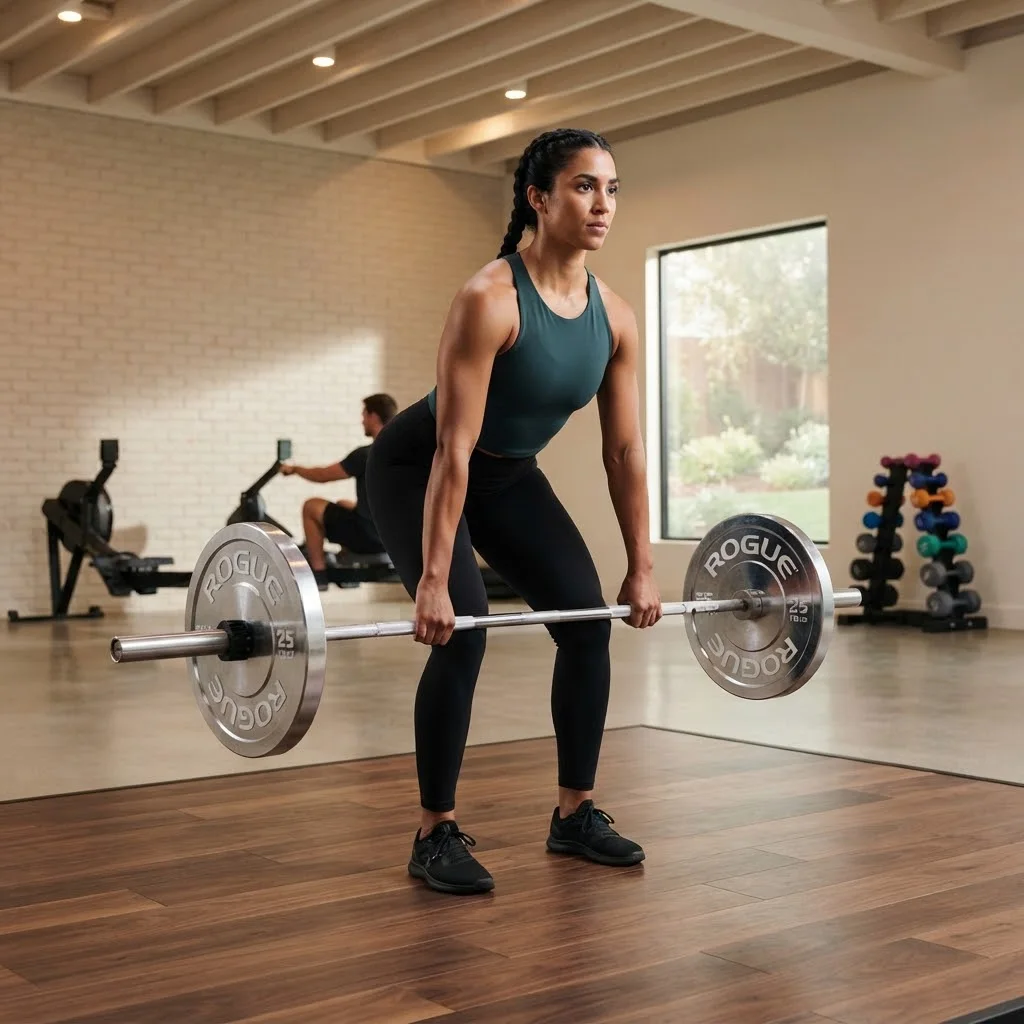
Is Proper Form More Important Than Heavy Weight? depends on the goal, training experience, body structure, and execution quality. Instead of an absolute rule, choose an option that is pain-free, repeatable, and progressive.
The short answer
Proper technique and useful loading are not opposites. The goal is to become stronger over time while preserving a controlled movement pattern. A load that changes range, balance, or the target muscle is a poor progress measure.
What matters most
Technique is not one identical shape for every body. Limb lengths, joint structure, and exercise goals can reasonably change stance or path.
Stable principles include controlled loading, pain-free useful range, manageable joint positions, and repeatability between sets.
A small technique change may occur on a final hard repetition, but if swinging or shortening starts from repetition one, the load is excessive.
Video from a consistent angle helps determine whether load increases preserve actual movement quality over time.
How to apply it
- Learn the exercise’s basic technique
- Standardize range and tempo
- Add load only while those standards remain
- Treat pain or loss of control as a stop signal
Common mistakes
- Copying a program designed for a different person
- Increasing load, sets, and training days all at once
- Sacrificing range and control for a bigger number
- Changing the plan before enough data are collected
Bottom line
A good choice matches the goal and allows progress to be tracked. Keep standards consistent, collect several weeks of data, and then adjust from results.
References
- ACSM — Progression models in resistance training — https://pubmed.ncbi.nlm.nih.gov/19204579/
- Systematic review — Resistance training load and hypertrophy — https://pubmed.ncbi.nlm.nih.gov/33874848/