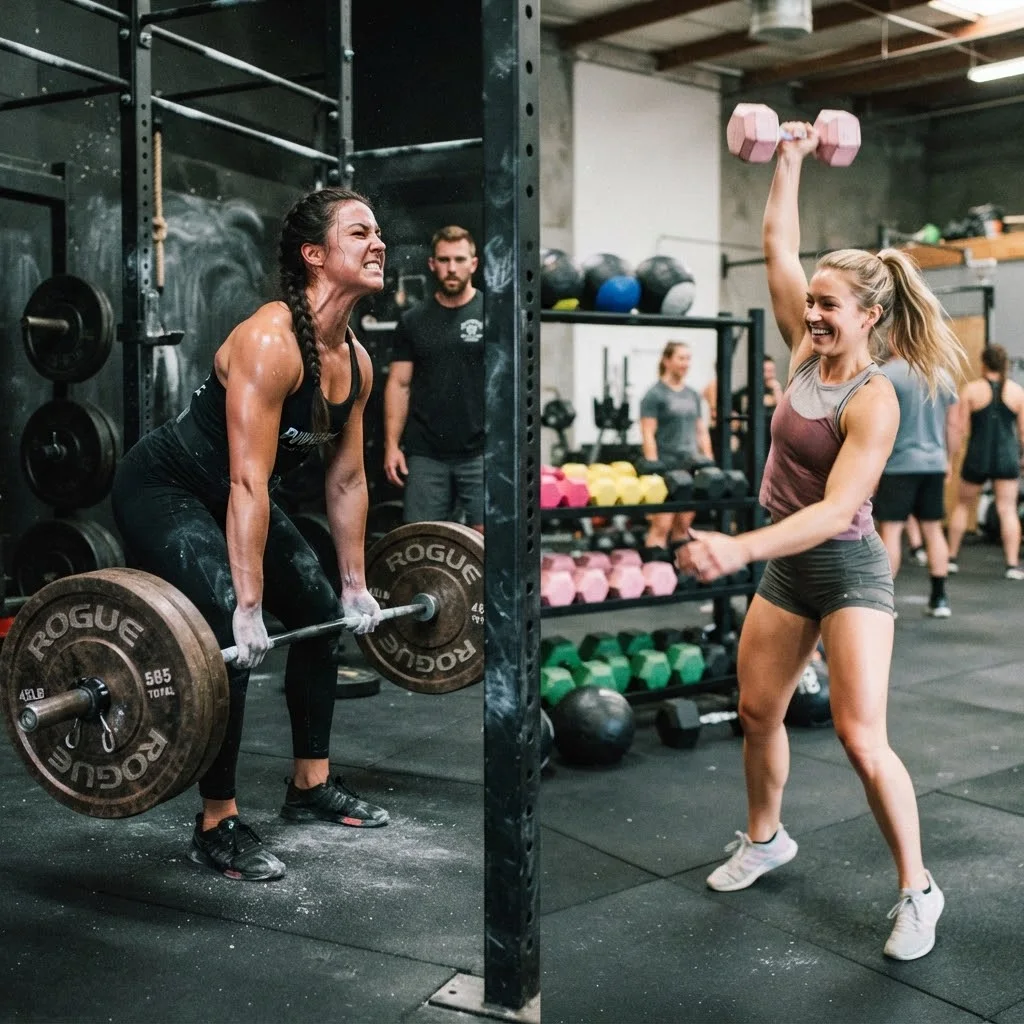
Are Low Reps or High Reps Better? is an important question, but there is no universal number. Training history, goals, schedule, recovery capacity, and exercise quality all matter.
The short answer
Neither is always better. Low repetitions with heavier loads are more specific to maximal strength, while moderate and high repetitions can build productive volume with less joint loading. A sensible mix is practical for hypertrophy.
What matters most
Sets of 1–5 repetitions demand more technique, neural readiness, and longer rest. This range is not necessary for every exercise or every beginner.
Sets of 6–15 provide a useful balance. Ranges of 15–30 can also grow muscle, although discomfort and judging proximity to failure become harder.
If the main goal is a lift-specific record, some work should resemble that test. If muscle growth is the goal, repetition selection is more flexible.
Match repetitions to joint comfort and the exercise rather than forcing every movement into one fixed range.
How to apply it
- Use moderate-to-heavy ranges on main lifts
- Use moderate-to-high ranges on accessories
- Keep technique consistent in every range
- Compare progress within the same range
Common mistakes
- Copying a program designed for a different person
- Increasing load, sets, and training days all at once
- Sacrificing range and control for a bigger number
- Changing the plan before enough data are collected
Bottom line
The best program is one you can repeat, record, and adjust from results. Start with a manageable dose and add work only while technique, performance, and recovery remain acceptable.
References
- Network meta-analysis — Resistance training load, hypertrophy and strength — https://pubmed.ncbi.nlm.nih.gov/33433148/
- BJSM — Resistance training prescription for strength and hypertrophy — https://bjsm.bmj.com/content/57/18/1211